In the realm of outdoor digital signage technology, LCD screens are widely used due to their high brightness, low power consumption, and vibrant colors. However, as these technologies become more prevalent, the impact of outdoor environments on LCD screens has become increasingly significant. The issue of screen blackouts, particularly during prolonged exposure to direct sunlight in summer, has emerged as a pressing challenge. This blog will explore the causes of this phenomenon and provide expert recommendations for prevention.
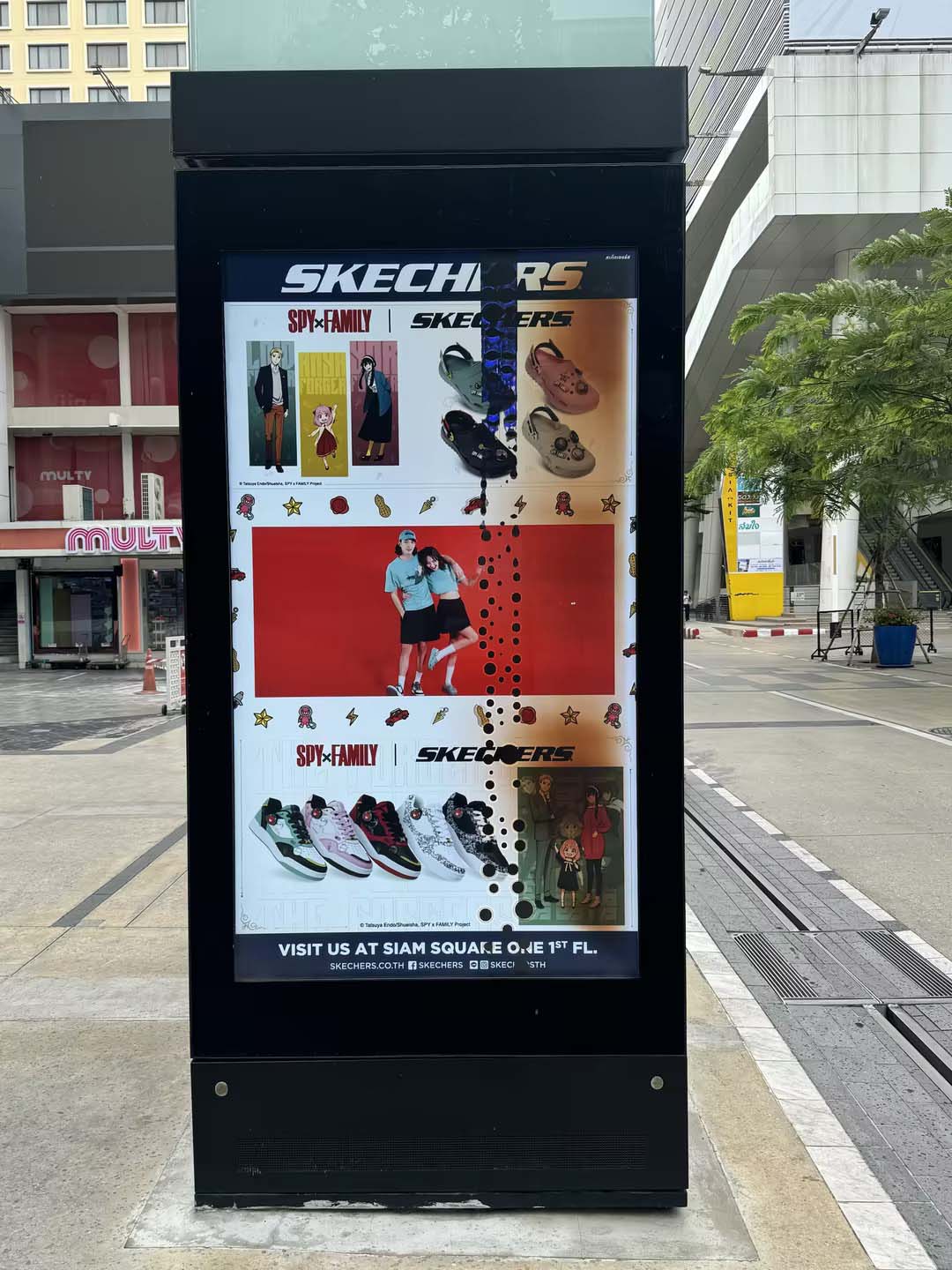
 

outdoor digital signage


The Impact of Sunlight on LCD Screens


Sunlight consists of visible light, infrared rays, and ultraviolet (UV) rays, with UV rays having the highest energy. Prolonged exposure to strong UV radiation can severely affect LCD screens. The high-energy UV photons can cause the following damage to liquid crystal molecules:


  1. Chemical Bond Breakage in Liquid Crystal Molecules: The high energy of UV photons can break the chemical bonds in the long chains of liquid crystal molecules, causing molecular fragmentation. This disruption in molecular alignment impairs the screen's ability to respond to electrical signals, affecting display performance.

  2. Decrease in Electrical Resistance and Increase in Power Consumption: Short-term exposure to strong UV rays can lead to a decrease in the electrical resistance of the LCD components and an increase in power consumption. This change means that liquid crystal molecules require more energy to maintain normal display operation, exacerbating their operational strain.

  3. Reduction in Threshold Voltage: Prolonged UV exposure can lower the threshold voltage of liquid crystal molecules. A reduced threshold voltage means that the molecules become less sensitive to driving voltages, making it difficult to maintain stable molecular alignment and impacting the display quality.

  4. Screen Yellowing, Brightness Reduction, and Black Spot Formation: When UV damage causes liquid crystal molecules to cease functioning, the screen can exhibit yellowing, reduced brightness, and, in severe cases, permanent black spots. These black spots not only impair the display of advertisements but also degrade the overall visual quality of the screen.

  5. Temporary Recovery and Permanent Damage: Liquid crystal molecules might temporarily recover their functionality when temperatures drop. However, repeated cycles of high temperatures and UV exposure can lead to permanent damage, rendering the LCD screen inoperable and resulting in permanent black spots.


How to Prevent LCD Screen Blackouts


To address the issues mentioned above, industry experts and engineers have proposed several solutions to mitigate or prevent the impact of sun exposure on LCD screens:

  1. Use of UV-Blocking Coatings or Filters: Applying UV-blocking coatings or filters to the surface of the LCD screen can effectively block a portion of UV rays from reaching the liquid crystal layer. This reduces direct UV damage to the liquid crystal molecules and extends the screen's lifespan.

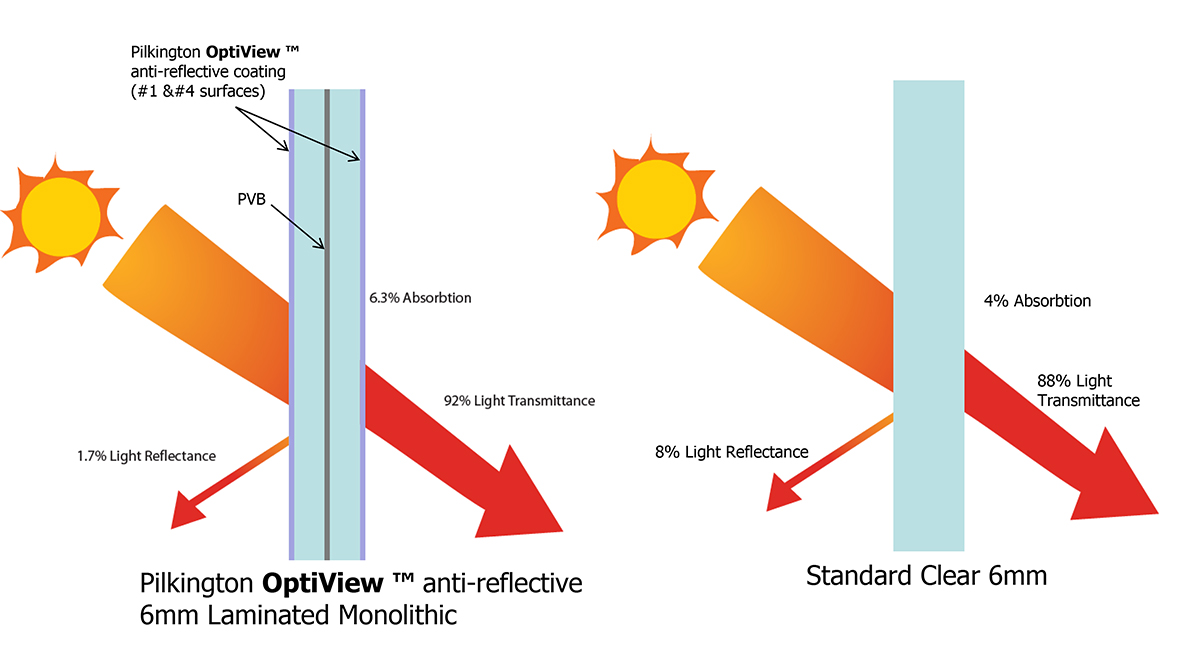
  2. Application of AR Glass: Utilizing Anti-Reflective (AR) glass can effectively block UV rays and reduce light reflection. AR glass achieves UV protection through specific UV-absorbing materials or coatings, significantly reducing UV damage to the LCD screen. Additionally, AR glass enhances display performance by minimizing reflections and glare, improving screen visibility.

  3. Optimized Heat Dissipation System: Designing an efficient heat dissipation system is crucial for preventing LCD screens from overheating. Employing advanced cooling solutions such as additional ventilation channels, high-performance fans, or liquid cooling systems can effectively lower the operating temperature of the LCD screen and prevent heat-related damage.

  4. Selection of High-Temperature Resistant LCD Materials: Using LCD materials specifically designed for outdoor environments can improve the screen's resistance to high temperatures and UV exposure. These materials are specially treated to maintain stable physical properties under high temperatures, reducing the risk of molecular chain breakage and alignment failure.

  5. Regular Maintenance and Cleaning: Regular cleaning and maintenance of the digital signage’s cooling system and screen surface are essential for ensuring proper operation. During maintenance, check for scratches or damage to coatings and promptly repair or replace damaged components to prevent direct UV exposure to the liquid crystal layer.


Conclusion

The widespread use of LCD technology in outdoor digital signage makes addressing screen blackout issues crucial. By implementing UV-blocking technologies, optimizing cooling systems, and selecting high-temperature-resistant materials, it is possible to extend the lifespan of LCD screens and enhance their reliability in harsh environments. As technology continues to advance, we can anticipate more sophisticated protective measures being applied to LCD screens, providing even greater durability and performance for outdoor digital signage.
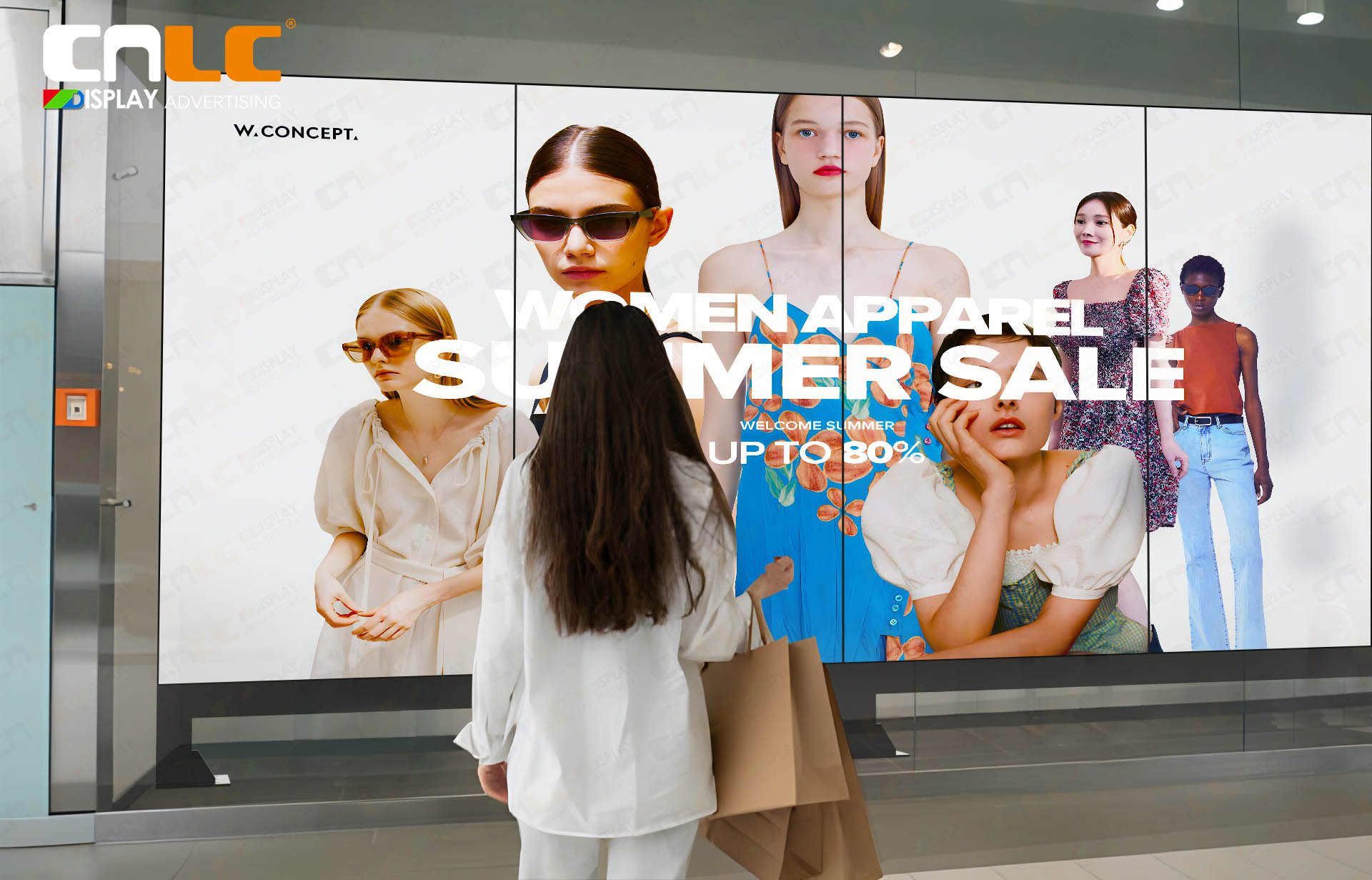
In today's world of digital display screen, choosing the right technology for your needs can be challenging. This blog will help you understand the differences between LCD splicing screens and LED screens, focusing on the advantages of LCD splicing screens to help you make an informed decision.


What is a Splicing Screen?

A splicing screen, or video wall, is a large display created by combining multiple smaller screens. These screens, which can be either LCD or LED panels, are connected and configured to work together as a single, cohesive display. Splicing screens are commonly used in various settings, including command centers, control rooms, advertising spaces, and public displays, providing flexible configurations and high visual impact.

What is Seamless Splicing Technology?

Seamless splicing technology minimizes the visible gaps between individual screens in a video wall. This is achieved by reducing the bezel width, resulting in a smooth and continuous image across the entire display. This technology enhances the visual experience by providing an uninterrupted and immersive viewing experience, which is particularly important for applications that require high precision and detailed visuals.

Comparing LCD Splicing Screens and LED Screens

LCD Splicing Screens:

Advantages:

  1. Higher Resolution: LCD panels typically offer higher resolution, delivering clearer and more detailed images, which is essential for applications requiring precision and clarity.
  2. Color Accuracy: LCD screens are known for their superior color accuracy, making them ideal for environments where true-to-life color representation is critical, such as in control rooms and digital signage.
  3. Cost-Effective: Generally, LCD splicing screens are more affordable than their LED counterparts, making them a popular choice for budget-conscious projects.


Disadvantages:

  1. Bezel Width: Despite advancements in seamless splicing technology, LCD splicing screens still have thin bezels that may be slightly visible, potentially disrupting the seamless viewing experience.
  2. Limited Viewing Angles: LCD screens can suffer from reduced brightness and color accuracy when viewed from wider angles, which might be a limitation in some setups.

LED Screens:

Advantages:

  1. True Seamlessness: LED screens can achieve true seamlessness with no visible gaps, providing a completely uninterrupted viewing experience, which is crucial for large-scale displays.
  2. Brightness and Contrast: LED displays offer higher brightness and better contrast ratios, making them suitable for outdoor and high-ambient light environments.
  3. Flexibility: LED panels are more flexible in terms of size and shape, allowing for creative and custom display configurations.

Disadvantages:

  1. Higher Cost: LED screens are generally more expensive, which can be a significant consideration for budget-sensitive projects.
  2. Power Consumption: LED screens typically consume more power, leading to higher operating costs over time.

How to Choose the Right Display for Your Application?

When deciding between an LCD splicing screen and an LED screen, consider the following factors:

  1. Budget: Determine your budget constraints and weigh the initial investment against long-term benefits and operational costs.
  2. Display Environment: Assess the installation environment. LED screens are better suited for outdoor and high-ambient light conditions, while LCD screens are ideal for indoor settings requiring high resolution and color accuracy.
  3. Content Requirements: Consider the type of content you'll be displaying. If your application demands seamless visuals, such as in a control room or large public display, an LED screen might be more suitable. For detailed images and color accuracy, an LCD splicing screen is preferable.
  4. Maintenance: Evaluate the maintenance requirements and operational costs of each option. LED screens may require more frequent maintenance and higher power consumption.

Conclusion

Choosing between an LCD splicing screen and an LED screen depends on various factors, including your budget, display environment, content requirements, and maintenance considerations. By understanding the strengths and weaknesses of each technology, you can make an informed decision that best suits your specific application needs. While LED screens offer true seamlessness and superior brightness, LCD splicing screens provide higher resolution, better color accuracy, and cost-effectiveness, making them a reliable and versatile choice for many applications.

In today's Outdoor Digital Signage market, the durability and safety of Digital Signage Displays are crucial factors. To meet various harsh environmental conditions and potential vandalism, CNLC has introduced an Outdoor Digital Signage equipped with double-laminated glass. This unique design and powerful performance provide comprehensive protection for outdoor advertising.

What is Double-Laminated Glass?

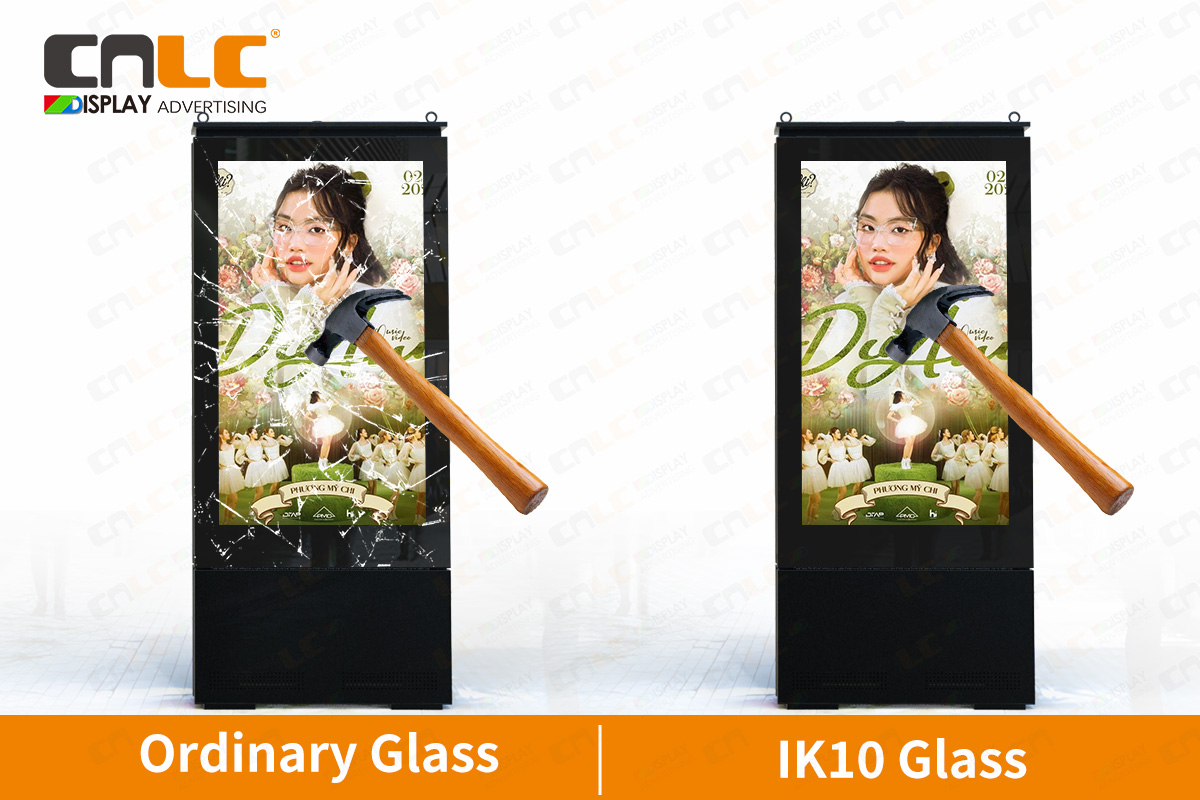
Double-laminated glass is a composite glass made by bonding two layers of glass with an interlayer (PVB or SGP). This design not only enhances the strength of the glass but also provides excellent safety performance when subjected to impact.


IK10 Impact Resistance: Unbreakable Protection

The double-laminated glass used in CNLC's Outdoor Digital Signage has an IK10 impact resistance rating. This means it can withstand an impact of 20 joules, equivalent to a 5 kg object falling freely from a height of 40 cm. This high level of impact resistance ensures that the Digital Signage Display remains intact even when faced with intentional damage or accidental impacts.


Outdoor Digital Signage

Shatter Retention: Safer Maintenance

Even in extreme cases where the glass is broken, the design of the double-laminated glass ensures that the fragments do not scatter everywhere. The interlayer keeps the broken glass pieces bonded together, preventing them from spreading out and posing a safety hazard. This design not only provides a safer working environment for maintenance personnel but also reduces the hassle of cleaning up the fragments.

Inner Layer Protection: Double Security

The glass of the Outdoor Digital Signage adopts a double-layer design. Even if the outer layer is broken, the inner layer still provides protection. The presence of the inner glass prevents fragments from entering the advertising machine's casing or falling onto the screen surface, thereby protecting the internal electronic components and display screen, ensuring continuous advertisement display.

Why Choose Our Outdoor Digital Signage?

  1. Strong Impact Resistance: IK10 impact rating provides excellent protection for the Outdoor Digital Kiosk.
  2. Safe Shatter Retention: The glass remains in one piece when broken, preventing the scattering of fragments.
  3. Double Protection Design: The inner layer of glass provides extra protection, ensuring continuous advertisement display.
  4. Simplified Maintenance: Safe design reduces risks and costs associated with maintenance.

Conclusion

In the Outdoor Digital Signage market, choosing a durable and safe Outdoor Digital Kiosk is crucial. CNLC's Outdoor Digital Kiosk, with its double-laminated glass design, provides not only a reliable platform for displaying advertisements but also dual protection for the equipment's safety and maintenance. Whether facing environmental challenges or threats of vandalism, our Outdoor Digital Signage can easily handle it, supporting your advertising campaign effectively.


This blog post provides a detailed introduction to the advantages of the double-laminated glass in CNLCdisplay's Outdoor Digital Signage. We hope it helps you better understand the powerful features of this product. If you have any questions or need further information, please feel free to contact us.

As technology advances and smart city initiatives progress, LCD flag totems have become an indispensable part of urban public facilities. Today, we’ll quickly guide you through what an LCD flag totem is, its features and performance, installation advantages, government support policies, and a notable case study by CNLC.


1. What is an LCD Flag Totem?


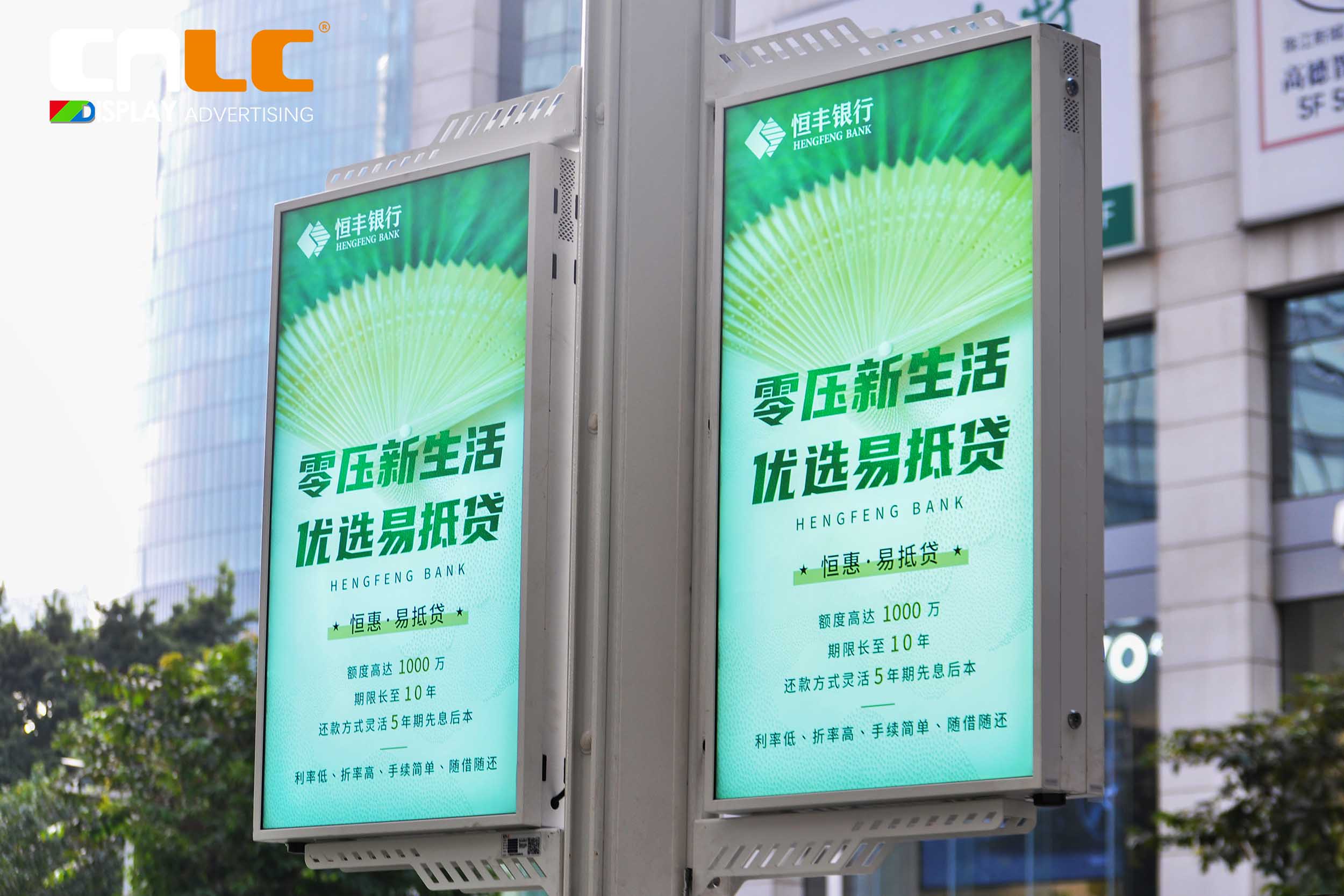
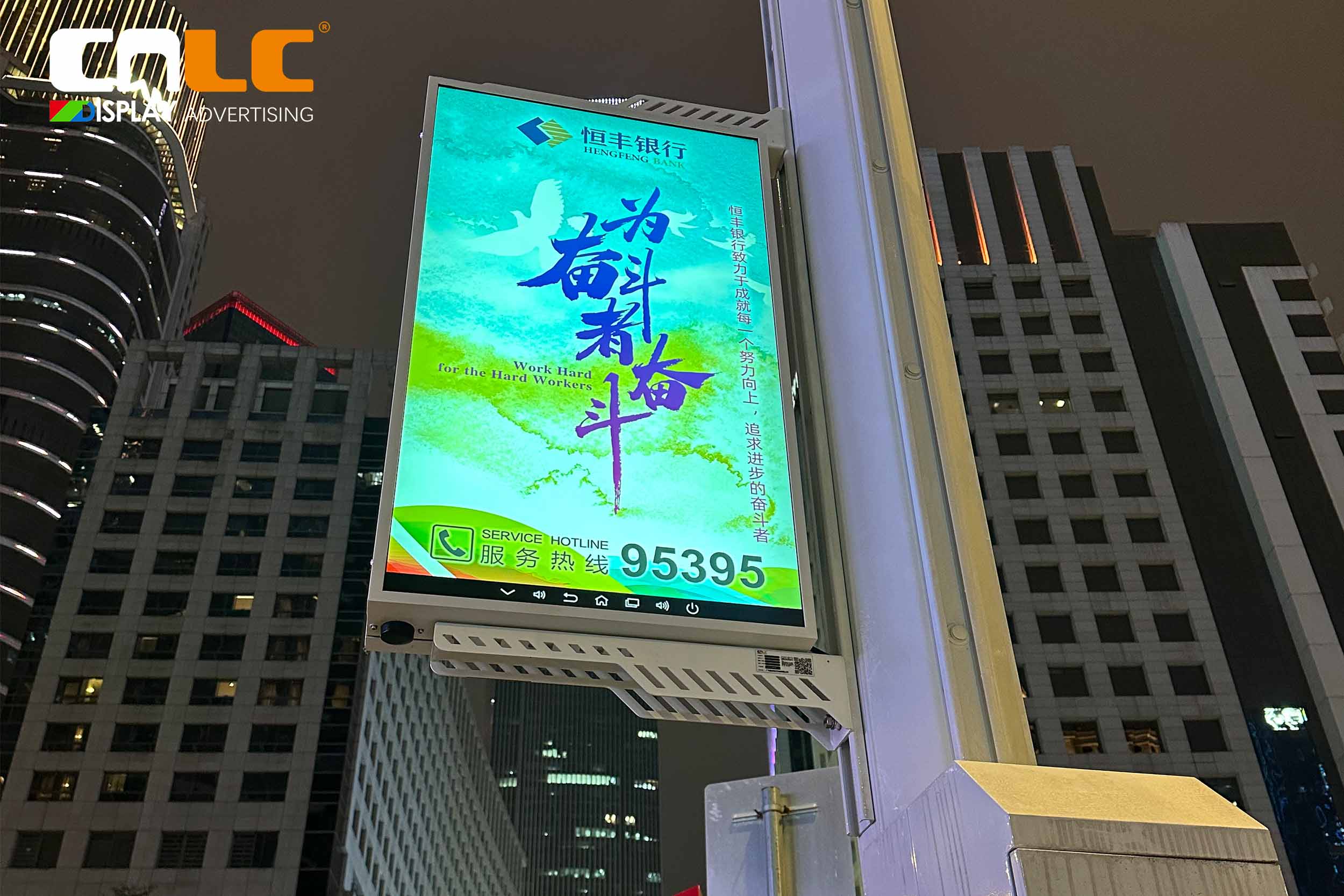
An LCD flag totem is an integrated liquid crystal display screen installed on urban lamp posts. These displays are typically found in streets, squares, bus stops, and other public places, used to show advertisements, traffic information, weather forecasts, public service announcements, and more. Due to their high brightness, high resolution, and flexible content updating capabilities, LCD flag totems play a vital role in urban informatization. They not only enhance the modern and technological feel of a city but also provide convenient information services to residents.


Digital Display Totem


2. Features and Performance of LCD Flag Totems


LCD flag totems come with several unique features and performance advantages:

  • High Resolution: Utilizing advanced LCD technology, these displays deliver sharp, clear images and videos, ensuring excellent visual experiences under various lighting conditions. Whether displaying static images or dynamic videos, viewers enjoy detailed visuals.

  • High Brightness: With extremely high brightness, LCD flag totems remain clearly visible even under direct sunlight. This ensures effective information transmission in outdoor environments.

  • Low Power Consumption: Modern LCD technology is energy-efficient, making these displays suitable for long-term operation. This not only saves energy but also reduces operating costs, aligning with energy conservation and environmental protection goals.

  • Smart Control: LCD flag totems support remote control and content management, allowing for real-time updates and maintenance. With intelligent control systems, users can adjust displayed content anytime, flexibly meeting different promotional needs.

  • Durability: These displays feature waterproof, dustproof, and UV-resistant properties, enabling them to withstand various harsh outdoor conditions and ensure long-term stable operation.


Digital Display Totem


3. Advantages of Installing LCD Flag Totems


Installing LCD flag totems offers several notable benefits:

  • Efficient Information Delivery: These displays can broadcast information in real-time, enhancing the efficiency and reach of public information dissemination. For example, government announcements, traffic information, and weather forecasts can be promptly communicated to residents.

  • Enhanced City Image: Modern display equipment makes cities smarter and more aesthetically pleasing, improving the overall city image. LCD flag totems are not just information delivery tools but also a beautiful urban landscape.

  • High Advertising Value: Due to their prominent placement, these displays attract significant attention, providing advertisers with an effective promotional platform. High resolution and brightness make advertisements more vivid, enhancing advertising effectiveness.

  • Improved Traffic Management: LCD flag totems can quickly publish traffic information and warnings, improving traffic management efficiency and safety. For instance, during traffic congestion or emergencies, these displays can promptly provide relevant information, guiding residents to travel wisely.

  • Space-saving: Installed on lamp posts, these displays make full use of urban space, avoiding additional land occupation. This flexibility is advantageous in urban construction, as it doesn’t take up valuable ground space.

  •  

LCD Flag Totem


4. Government Support for LCD Flag Totems


As smart city construction continues, governments at all levels increasingly emphasize the application of information technology equipment. LCD flag totems, being a crucial component of smart cities, have received strong government support:

  • Policy Support: Many cities have introduced policies to support smart display devices, encouraging the installation and use of LCD flag totems. For instance, some local governments have developed specific plans, incorporating these displays into urban infrastructure construction.

  • Standardization: Governments promote the establishment of relevant technical and installation standards, regulating the market order to ensure product quality and safety. Standardized management ensures that the installation and use of LCD flag totems comply with safety and technical requirements.

  • Project Promotion: In smart city projects, LCD flag totems are widely used for public information dissemination and intelligent traffic management, with governments actively promoting their adoption and application. For example, during large events and public incidents, these displays are often used to publish real-time information and guide crowds.


LCD Flag Totem


CNLC Case Study: Guangzhou FlowerCity Square


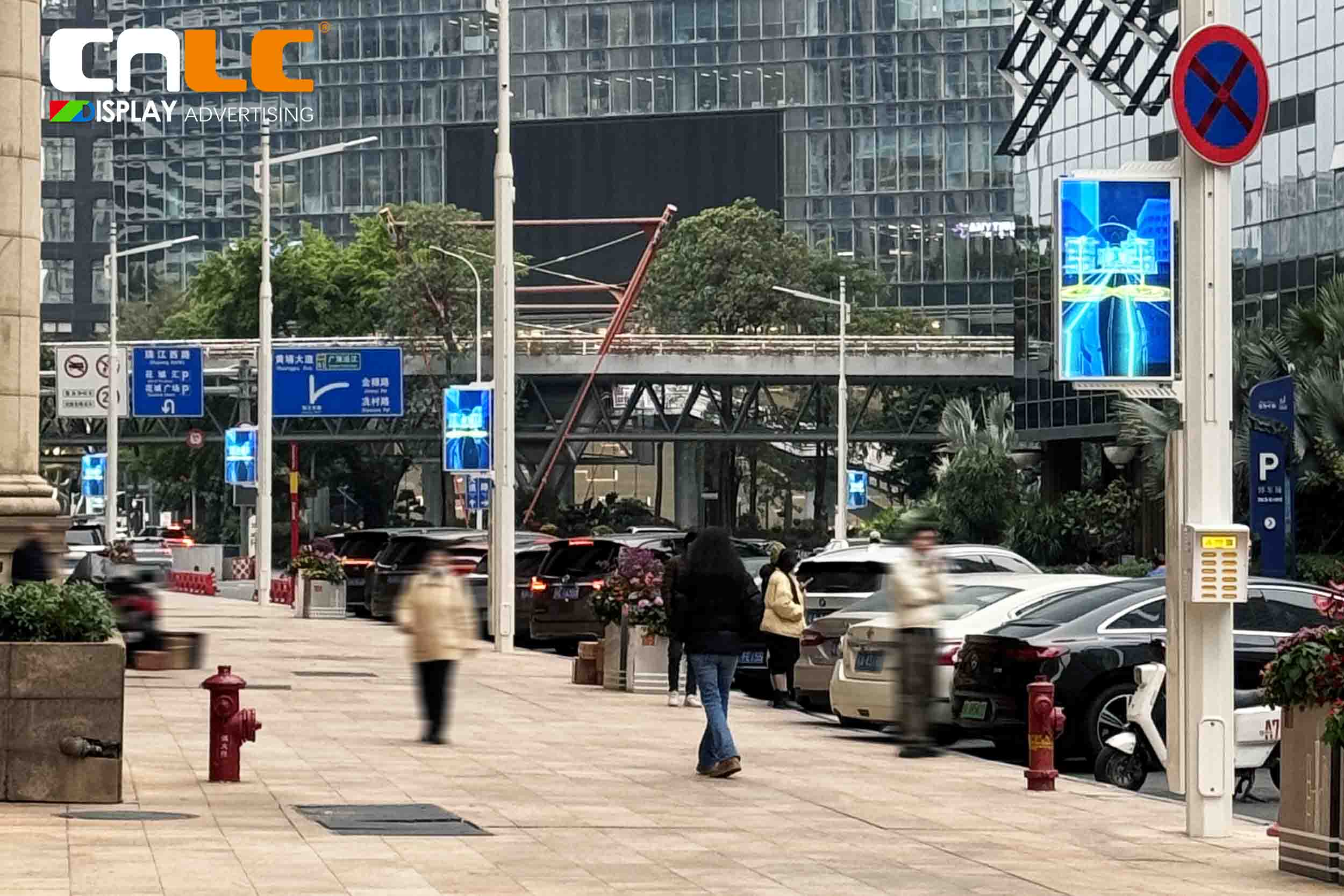
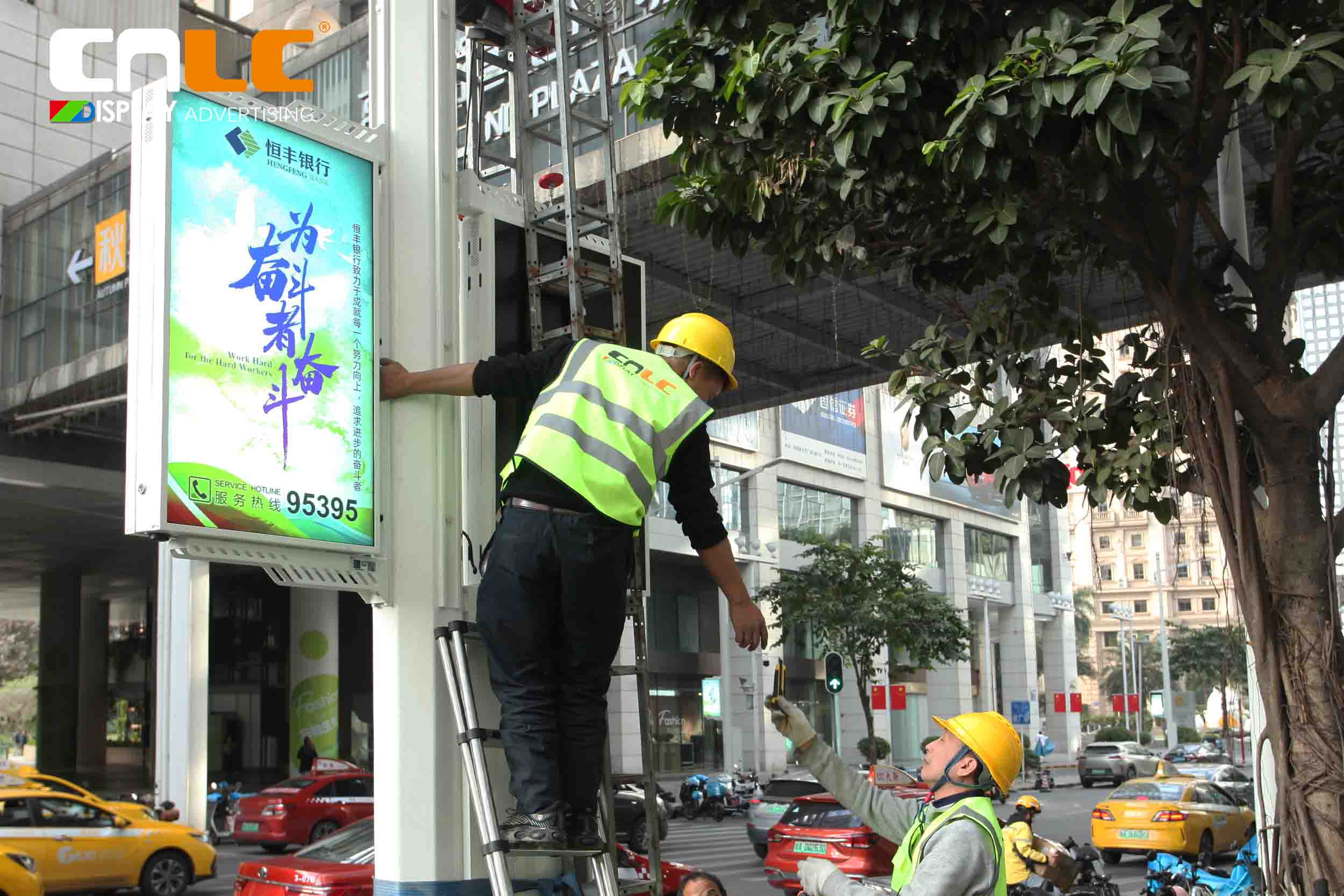
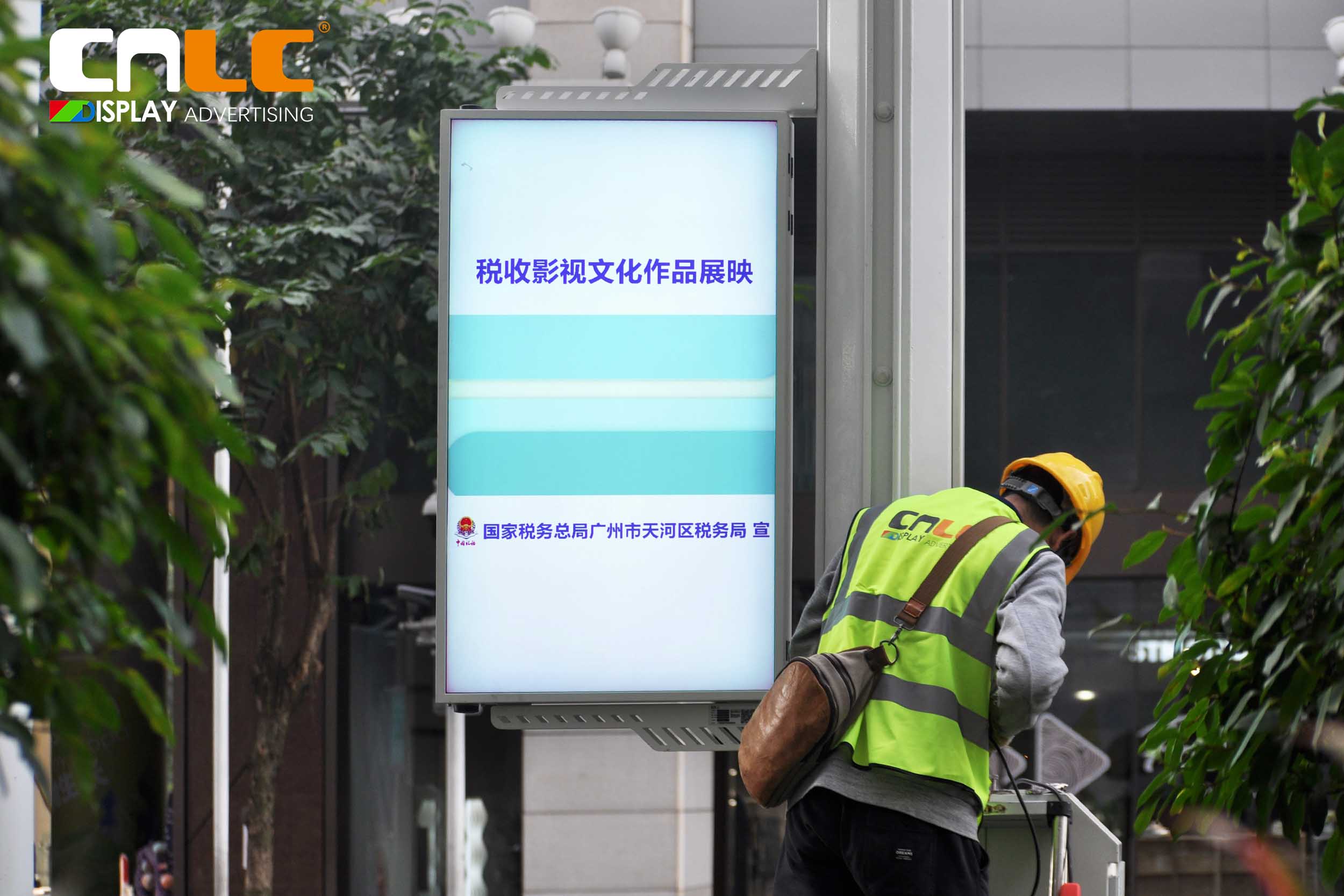
A notable example of the successful implementation of LCD flag totems is CNLC’s project in Guangzhou FlowerCity Square. This project involved the installation of 200 LCD Flag Totems, each featuring a 49-inch LCD outdoor digital signage display mounted on street light poles. Designed specifically for outdoor use, these displays seamlessly integrate with existing street lighting infrastructure, transforming ordinary street poles into dynamic digital advertising platforms and informational hubs. The high-definition screens and weatherproof aluminum construction ensure durability and optimal performance, enhancing the urban environment and providing a modern communication medium.


Outdoor Advertising Totem


Through the above content, you now have a comprehensive understanding of LCD flag totems. This advanced display equipment not only enhances urban informatization but also brings significant economic and social benefits. With continuous technological advancements and government support, LCD flag totems will play an increasingly important role in urban construction.


Finally, if you want to know more about LCD flag totems, please contact us.

The world of medical fiber optic light modules is fascinating, and the S5000M stands out as a remarkable device. Whether you’re a seasoned professional or an avid hobbyist, understanding the tips and tricks for using the S5000M can take your fiber optic illuminator experience to the next level. In this blog post, we’ll explore the ins and outs of this impressive module, providing valuable insights and recommendations for enthusiasts like you.

1. Familiarize Yourself with the Features

Before diving into the S5000M, take the time to explore its features and functionality. Familiarize yourself with the different lighting modes, intensity levels, and control options available. This knowledge will empower you to make the most of this versatile module and customize the lighting to suit your specific needs.

2. Optimize Light Output

To ensure optimal light output, keep the fiber optic bundle clean and free from debris or contaminants. Regularly inspect and clean both the light source and the fiber bundle to maintain clear transmission paths, maximizing the intensity and quality of the light. Additionally, positioning the module correctly and avoiding obstructions can further enhance the light output.

3. Understand Compatibility and Installation

The S5000M is compatible with a range of fiber optic illuminators, but it’s crucial to verify compatibility before purchasing. Follow the manufacturer’s instructions carefully when installing the module to ensure proper integration with your fiber optic system. Take note of any installation requirements, such as mounting brackets or specific positioning, to guarantee seamless operation.

4. Master the Control Settings

To make the most of the S5000M, explore the various control settings available. Experiment with different lighting effects, such as strobing or dimming, to create captivating visuals. Get acquainted with advanced features like color temperature adjustment if your module supports it. By mastering these control settings, you can maximize creativity and optimize the lighting results.

5. Seek Professional Training and Guidance

If you’re new to fiber optic illuminators or if you want to refine your skills, consider seeking professional training or guidance. Many manufacturers provide instructional videos, manuals, or online resources to assist users in utilizing their products effectively. Training programs or workshops may also be available, providing valuable insights and hands-on experience to help you master the S5000M.

6. Preserve the Module’s Lifespan

Proper care and maintenance are essential to extend the lifespan of your S5000M. Follow the manufacturer’s guidelines for routine maintenance, ensuring that the module operates at its best. Keep the unit in a clean and dust-free environment and avoid exposing it to extreme temperatures. By taking care of your module, you can enjoy its performance for years to come.

In conclusion, the Medical Fiber Optic Light Module S5000M opens up a world of possibilities for fiber optic illuminator enthusiasts. By familiarizing yourself with its features, optimizing light output, understanding compatibility and installation, mastering control settings, seeking professional training, and preserving the module’s lifespan, you can unlock its full potential. Embrace the versatility of the S5000M and let your creativity shine with stunning fiber optic lighting effects.

Aluminum nitride (AlN) ceramics have gained significant attention in numerous industries due to their exceptional thermal conductivity, electrical insulation, and high-temperature stability. These properties make AlN ceramics ideal for applications such as electronic packaging, power devices, and optoelectronics. To further enhance the functionality of AlN substrates, laser drilling has emerged as a versatile technique with impressive precision and flexibility.

Laser drilling is a non-contact, high-energy process whereby a focused laser beam is used to remove material from the surface of a substrate. When applied to AlN substrates, laser drilling offers several advantages over traditional drilling methods. Firstly, it allows for the creation of precise and intricate holes with diameters as small as a few micrometers. This level of precision is crucial for many microelectronic and MEMS (Micro-Electro-Mechanical Systems) applications.

Furthermore, laser drilling is a highly efficient process, minimizing the risk of thermal damage to the substrate. The focused laser beam generates intense heat, locally melting the aluminum nitride material. As the molten material is vaporized, it leaves behind a clean and precisely drilled hole without any residual thermal effects. This ensures the integrity and reliability of the AlN substrate, even in demanding environments.

Laser drilling AlN substrates also allows for the creation of complex patterns and arrays. The flexibility of the laser beam enables the drilling of holes at various angles, depths, and densities, offering designers greater freedom and customization. This versatility opens new possibilities for innovative packaging and interconnect solutions, where intricate patterns and multi-layered structures are required.

Another significant advantage of laser drilling AlN substrates is the elimination of post-processing steps. Traditional drilling methods often require additional steps, such as deburring or cleaning, to achieve the desired surface finish. Laser drilling, on the other hand, produces precise holes with smooth walls and minimal taper, reducing the need for post-processing and improving overall manufacturing efficiency.

In addition to AlN substrates, laser drilling techniques can also be employed for other AlN ceramic applications. For instance, laser drilling can be used to create vias and through-holes in AlN sheets, enabling the fabrication of complex circuits and interconnections. Moreover, laser drilling AlN ceramics opens avenues for microfluidic devices, where precise channels and reservoirs can be created for efficient fluid transport and cooling.

To conclude, laser drilling has emerged as a versatile and efficient technique for aluminum nitride (AlN) substrates and ceramics. Its precision, flexibility, and elimination of post-processing steps make it an ideal choice for various microelectronic, MEMS, and packaging applications. As technology continues to advance, laser drilling will play an increasingly crucial role in unlocking the full potential of AlN ceramics and driving innovation in diverse industries.

Welcome to the world of linear actuators! In this article, we will explore the fascinating realm of electric pull rods, delving into the features, applications, and benefits of these versatile devices. Whether you’re a newcomer or a seasoned enthusiast, we’ve got you covered. So, let’s dive in and discover the power of linear actuators together!

What is a Linear Actuator?

A linear actuator is a mechanical device that converts rotational motion into linear motion, providing controlled movement in a straight line. This ingenious mechanism consists of an electric motor, a screw, and a rod, all working in harmony to achieve precise linear displacement.

Introducing Electric Pull Rods

When it comes to linear actuators, electric pull rods are a popular and efficient choice. These compact devices combine advanced technology with robust construction, making them ideal for diverse applications. With their ability to generate high force and achieve accurate positioning, electric pull rods have revolutionized the automation industry.

Benefits of Electric Linear Actuators

  1. Automation Made Easy: Electric linear actuators streamline processes by automating movements that were once manually operated. This saves time, effort, and enhances overall efficiency.

  2. Precise Control: With electric linear actuators, you have precise control over motion, allowing you to achieve accurate positioning and smooth operation. This level of control is essential in various industries, including robotics, manufacturing, and home automation.

  3. Compact Design: Electric pull rods are compact in size, making them versatile and easy to integrate into existing systems. Their space-saving design makes them suitable for applications where limited space is a constraint.

  4. Quiet and Efficient: Unlike their hydraulic or pneumatic counterparts, electric linear actuators operate quietly and efficiently. They eliminate the need for noisy compressors or bulky power units, enhancing the overall user experience.

Applications of 24V High-Speed Linear Actuators

  1. Industrial Automation: 24V high-speed linear actuators play a vital role in automating industrial processes such as conveyor systems, assembly lines, and robotic arms. Their speed and precision contribute to increased productivity and reduced operational costs.

  2. Medical and Healthcare: Electric linear actuators find applications in medical equipment such as hospital beds, dental chairs, and rehabilitation devices. The ability to perform precise and controlled movements ensures patient comfort and safety.

  3. Home and Furniture: From adjustable desks and ergonomic chairs to automated TV lifts and smart cabinets, electric linear actuators are transforming the way we interact with our living spaces. These devices provide convenience and enhance the functionality of everyday furniture.

Exploring Micro Linear Actuators

Micro linear actuators are a miniaturized version of their larger counterparts. While compact in size, they offer impressive force and precise movement. These micro marvels find applications in areas where small-scale automation is required, such as robotics, miniature models, and intricate medical devices.

In Conclusion

Linear actuators, including electric pull rods and micro linear actuators, have revolutionized the world of automation. Their versatility, precision, and efficiency make them indispensable in various industries. Whether you need high-speed linear actuators for industrial automation or compact micro actuators for specialized applications, the possibilities are endless.

So, embrace the power of linear actuators and unlock new horizons in automation. With their seamless integration and remarkable performance, these devices are propelling us towards a more precise and efficient future.

The versatility of interactive flat panels are extensively used across various industries and scenarios. Here are some of the main use cases and sectors:


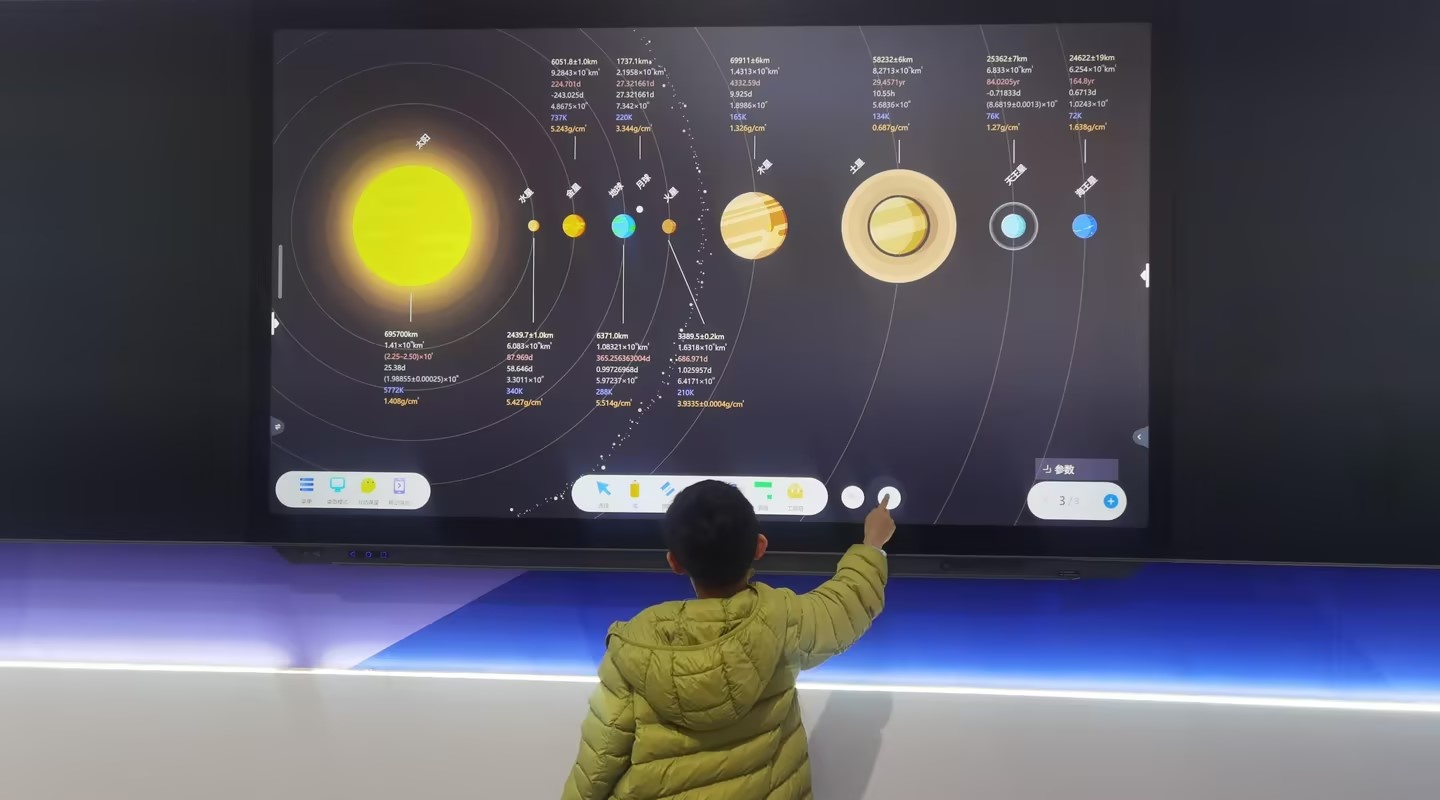
Interactive Flat Panels✅ Education: In schools and universities, these boards are utilized to create interactive lessons, enhancing the learning experience for students. Teachers can use them to present content, annotate over videos and images, and even conduct virtual classes.
✅ Corporate Meetings: Businesses employ interactive flat panels to enhance collaboration during meetings, especially when team members are in different locations. They can share information, brainstorm ideas, and showcase presentations.
✅ Healthcare: In hospitals and clinics, these boards aid in explaining medical procedures and diagnoses to patients. They also facilitate remote consultations between doctors.
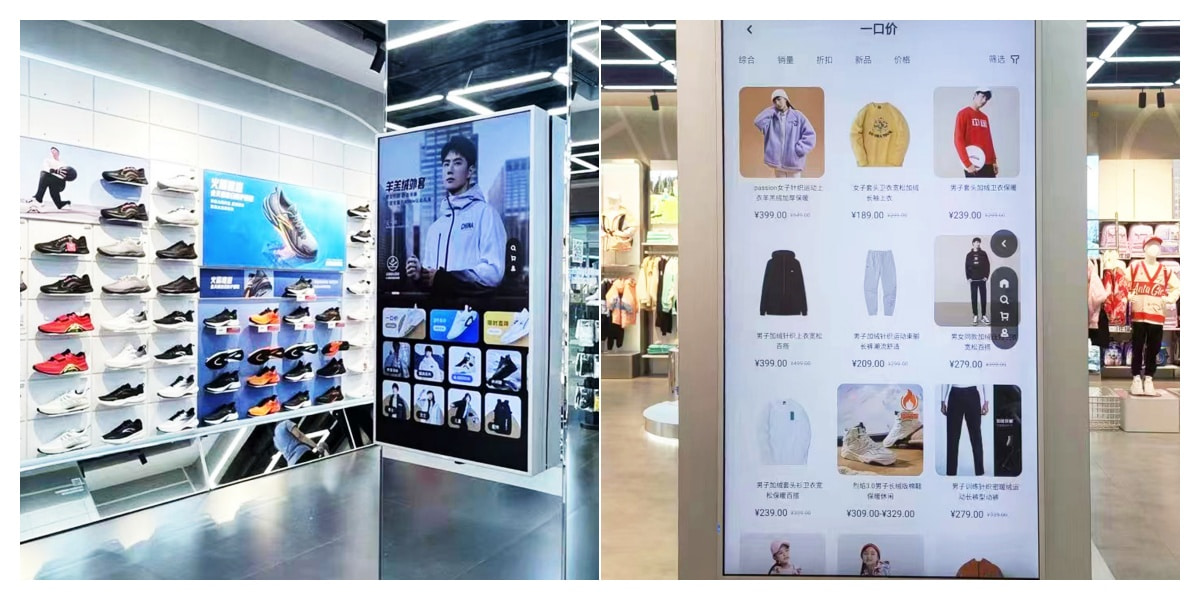
✅Retail:  Retailers use interactive flat panels to display interactive store directories, provide product information, and offer self-service options like self-checkout.
✅ Events and Trade Shows: Exhibitors use them to attract attendees with interactive presentations and demonstrations, providing a unique engagement experience.
✅ Training and Workshops: Interactive flat panels are employed in training sessions to walk participants through materials, simulate scenarios, and facilitate group exercises.
✅ Government and Public Sector: Government agencies utilize these boards to disseminate public information, improve citizen services, and streamline internal workflows.
✅ Design and Architecture: Designers use them to present and iterate on designs with clients, making the design process more collaborative and transparent.
✅ Manufacturing: In factories, interactive flat panels assist in production planning, quality control, and employee training.
✅ Creative Industries:  Advertising and marketing firms use them for creative brainstorming and presenting campaign ideas to clients.
✅ Science and Research: Researchers use interactive flat panels for data visualization, simulations, and collaborative research.
✅ Sports and Fitness: In gyms and sports facilities, they are used for demonstrating workout routines, analyzing techniques, and providing virtual training.

These are just a few examples of the wide-ranging applications of interactive flat panels. Their versatility and ability to enhance interactivity and collaboration make them a valuable tool across many different fields.

The widespread application of digital signage has revolutionized the way information is displayed and consumed in both commercial and non-commercial settings. Here are some key areas where digital signage is extensively used:


Digital Signage Displays


Retail: Digital signage in retail environments enhances the shopping experience by displaying dynamic content such as promotions, product information, and way finding. Interactive screens can also provide personalized recommendations to customers.


Hospitality: In hotels and restaurants, digital signs are used for welcoming guests, displaying menus, providing directional guidance, and sharing local attractions or hotel amenities.


Education: Schools and universities utilize digital signage for campus-wide communication, displaying event schedules, announcements, and emergency messages. Interactive displays also enrich the learning experience.


Healthcare: In hospitals and clinics, digital signage helps with patient way finding, displays waiting times, and provides important health information or educational content.


Corporate Lobbies: Companies use digital signage in their lobby areas to welcome visitors, display company news, promote corporate culture, and inform about upcoming events.


Transportation: Airports, train stations, and bus terminals employ digital signage for real-time travel updates, navigation assistance, and advertising.


Museums and Galleries: Digital displays offer interactive experiences, providing additional information about exhibits and enhancing the visitor's understanding and engagement.


Events and Trade Shows: For promoting products, guiding attendees, and displaying schedules, digital signage is indispensable at various events and exhibitions.


Government Facilities: Government buildings use digital signs for public service announcements, civic information, and emergency notifications.


Outdoor Advertising: Large format digital billboards and street furniture displays are used for high-impact advertising in urban environments.


Sports Venues: Stadiums and arenas use digital signage for scoring updates, fan interaction, and sponsor advertisements.


Financial Institutions: Banks and financial service centers employ digital signage to display financial information, market updates, and promotional offers.


Fitness Centers: Health clubs and gyms use digital screens to show class schedules, workout tips, and motivational content.


Digital signage offers flexibility and instant update capabilities, making it a powerful tool for managing and disseminating information in real-time. Its interactivity and integration with modern technologies like touchscreens, artificial intelligence, and the Internet of Things (IoT) continue to expand its applications across various industries.

In the wave of educational digitization, whiteboard software holds significant importance. It transforms traditional classrooms and meeting rooms into interactive learning environments, enhancing engagement and collaboration between teachers and students or among colleagues. Whiteboard software allows for dynamic presentations, direct manipulation of digital content, and real-time sharing of ideas, which supports a more participative and interactive approach to teaching and learning.


whiteboard software

Here are some key points highlighting the importance of whiteboard software in the context of educational digitization:

Interactive Learning: Whiteboard software makes lessons more interactive by allowing teachers to create, annotate, and manipulate digital content directly on the board, which can then be seen and interacted with by students using their own devices.


Enhanced Engagement: Students are more engaged when they can actively participate in the learning process. Whiteboard software often includes multi-touch capabilities, enabling multiple users to collaborate simultaneously on problems, experiments, or creative projects.


Flexibility and Accessibility: Educational content becomes more accessible as whiteboards can be connected to various input devices like computers, tablets, and smartphones, providing flexibility in how materials are presented and interacted with.


Suitable for All Ages and Subjects: The versatility of whiteboard software makes it suitable for learners of all ages and across different subjects, from mathematics and science to language arts and design.


Real-Time Feedback: Teachers can provide immediate feedback on student work, helping to identify and address misconceptions promptly, which is crucial for effective learning.


Collaboration Across Distances: For distance learning and remote education, whiteboard software facilitates collaboration regardless of geographical barriers, allowing students and educators to interact as if they were in the same room.


Integration with Digital Tools: Whiteboard software often integrates with other digital tools and resources such as educational apps, websites, and online resources, making it easier to incorporate multimedia content into lessons.


Recordkeeping and Revision: Sessions on the whiteboard can be saved and revisited, serving as a valuable resource for revision and ensuring that no information is lost after the class.


Adaptability to Teaching Styles: Whiteboard software can adapt to various teaching styles, whether it's project-based learning, flipped classrooms, or traditional instruction methods.


Future-Proofing Education: As technology continues to evolve, using whiteboard software prepares students for future workplaces that are increasingly reliant on digital tools and platforms.


The integration of whiteboard software in education aligns with the shift towards more interactive and student-centered learning approaches, preparing both students and educators for a digitally connected world.