Intelligent traffic management is the process of using advanced technological means to intelligently manage and optimize urban traffic. In this process, RFID (Radio Frequency Identification) technology, as an efficient and convenient identification and tracking technology, is widely used in intelligent traffic systems, bringing revolutionary changes to traffic management. This article explores the application of RFID readers and tags in intelligent traffic management and provides specific examples.


Firstly, one of the applications of RFID technology in intelligent traffic management is vehicle identification and management. By installing RFID tags on vehicles, traffic management departments can achieve automatic identification and management of vehicles. For example, RFID readers can be set up at toll booths, parking lots, or intersections. When vehicles pass by, the reader can automatically identify the RFID tags on the vehicles and transmit the vehicle information to backend systems for processing, enabling seamless passage and automatic billing. This approach not only improves the efficiency of traffic management and reduces labor costs but also effectively alleviates traffic congestion issues.


Secondly, RFID technology can also be used in road monitoring and safety management in intelligent traffic management. By placing RFID tags on traffic signals, road signs, road facilities, etc., real-time monitoring and management of road conditions can be achieved. For example, RFID readers installed at intersections in urban roads can monitor the status of traffic signals and vehicle passage, promptly detect traffic violations, and take appropriate actions, thereby enhancing traffic safety and management levels.


Additionally, RFID technology can be applied to public transportation management and passenger services. By installing RFID tags on buses, subway cars, and other transportation vehicles, automatic recording and statistics of passenger boarding and alighting can be achieved, providing passenger flow analysis and optimization suggestions. For instance, RFID readers on city buses can automatically record passenger information when passengers swipe cards to board and alight, assisting traffic management departments in formulating reasonable bus route plans and schedules, thereby improving the operational efficiency and service quality of public transportation.


In conclusion, RFID technology plays an important role in intelligent traffic management and has achieved significant results in vehicle identification and management, road monitoring and safety management, public transportation management, and passenger services. With the continuous advancement of technology and the expansion of application scenarios, RFID technology will continue to provide strong support for the construction and development of intelligent traffic systems, making greater contributions to the intelligent management and optimization of urban traffic.
Mining thin coal seams presents numerous challenges due to unique geological conditions and working environments. Thin coal seams, typically less than 1.3 meters thick, are particularly difficult to mine. The main difficulties include:

  1. Confined Space: The narrow space of thin coal seams severely restricts the operation and movement of mining equipment, increasing operational complexity.
  2. Roof Management: Managing the roof in thin coal seams is challenging due to the high risk of collapses, which endanger workers' safety.
  3. Resource Waste: Traditional mining methods often result in significant coal resource waste, preventing efficient extraction.
  4. Environmental Monitoring: The complex environmental conditions of thin coal seams, such as high concentrations of coal dust and hazardous gases like methane, require continuous monitoring and control.

RFID (Radio Frequency Identification) technology plays a crucial role in the intelligent control of thin coal seam shearers. The working principle of RFID in this context is as follows:


First,RFID tags and readersare installed on mining equipment and key locations within the mine. Each RFID tag has a unique identification code and can store information such as equipment status, location, and operating hours. RFID readers are responsible for reading tag information and transmitting the data to the control system.

During the mining process, the RFID system enablesreal-time positioning and tracking. As the mining equipment moves, RFID readers continuously read information from the RFID tags on the equipment and transmit the data to the central control system. Through this data, the control system can monitor the equipment's position and operational status in real-time, ensuring safe and efficient operations within the confined space.


Secondly, RFID technology aids inroof management. By installing RFID tags on roof support equipment, the position and status of the supports can be monitored in real-time, allowing for timely detection and management of potential roof collapse risks, thus ensuring worker safety.

To improve resource utilization efficiency, the RFID system canoptimize the mining path. By analyzing operational data from the equipment, the control system can adjust the shearer's working path to avoid redundant cutting and resource waste, thereby achieving efficient mining.


Moreover, RFID technology plays an important role inenvironmental monitoring. Environmental monitoring devices within the mine can be equipped with RFID tags to record real-time data on the concentrations of hazardous gases such as methane and coal dust. This data is transmitted to the control system via RFID readers, enabling real-time monitoring and early warning of the mine's environmental conditions.


RFID technology, through its application in thin coal seam shearers, realizes intelligent monitoring and management of mining equipment and mine environments. The real-time positioning, roof management, path optimization, and environmental monitoring capabilities of the RFID system not only enhance the safety and efficiency of thin coal seam mining but also significantly reduce resource waste, promoting the intelligent development of the coal industry.

Pot magnets are indispensable components in various magnetic assemblies, offering a versatile solution for securing, holding, and positioning objects. Among the different types of pot magnets available, the Rare Earth N52 Neodymium Cup Pot Magnet with Screw Thread stands out for its exceptional strength and durability. In this blog post, we will explore tips and tricks to maximize the potential of this powerful Neodymium pot magnet.

Tip 1: Choosing the Right Size

When selecting a pot magnet, it is crucial to consider the size that suits your specific application. The N52 Neodymium Pot Magnet with a 20mm diameter and M6 thread offers a balanced combination of strength and versatility. Ensure that the magnet’s size matches the task at hand, as using an undersized magnet may result in compromised performance.

Tip 2: Understanding the Threaded Design

The M6 thread on the N52 Neodymium Pot Magnet allows for easy installation and secure fastening. This threaded design proves advantageous as it provides stability and prevents the magnet from slipping or detaching under load. Make sure to select appropriate hardware and fasteners to optimize the magnet’s threaded connection.

Tip 3: Proper Handling and Maintenance

Neodymium magnets, including the N52 Neodymium Cup Pot Magnet, require careful handling to avoid damage or injury. Due to their exceptional strength, these magnets can attract or repel each other with force, causing damage if mishandled. Additionally, they are vulnerable to corrosion, so it’s important to keep them clean and dry.

Tip 4: Ensuring Adequate Surface Contact

For optimal performance, ensure the pot magnet has proper surface contact with the object it is holding. Eliminate any barriers that may hinder magnetic attraction, such as paint, rust, or uneven surfaces. A clean and smooth contact surface maximizes the magnet’s adhesive strength, providing a reliable and secure hold.

Tip 5: Temperature Considerations

Neodymium magnets are sensitive to temperature changes, and their performance may be affected at extreme temperatures. It’s crucial to consider the operating temperature range specified for the N52 Neodymium Pot Magnet and ensure it remains within those limits. Exposure to temperatures that exceed the magnet’s limit can lead to irreversible loss of magnetism.

Tip 6: Exploring Magnet Assembly Possibilities

The N52 Neodymium Pot Magnet with Screw Thread offers endless possibilities for magnetic assemblies. Combine multiple pot magnets to create custom fixtures, magnetic tool holders, or magnetic workholding systems. By exploring different assembly methods, you can unlock the full potential of these robust magnets.

Tip 7: Safety First

While working with strong magnets, always prioritize safety. Keep them away from children and people with pacemakers or other medical devices. When handling multiple magnets, exercise caution as they may unexpectedly attract or snap together forcefully. It is advisable to wear protective gloves and eyewear, especially when dealing with larger pot magnets.

In conclusion, the Rare Earth N52 Neodymium Cup Pot Magnet with Screw Thread is a powerhouse when it comes to magnetic assemblies. By following these tips and tricks, you’ll be able to harness the full potential of this versatile magnet. Remember to choose the right size, handle and maintain it with care, ensure proper surface contact, consider temperature limitations, explore assembly possibilities, and above all, prioritize safety. So go ahead, and let your magnetic creativity flourish with these exceptional pot magnets!

In scientific research and industrial applications, scanning electron microscopy (SEM) plays a pivotal role in studying materials at the microscopic level. This blog presents the available SEM options locally and internationally for researchers, engineers, and professionals looking for reliable SEM suppliers in Nigeria. Whether looking for a trusted Nigerian supplier or exploring international shipping possibilities, read on to learn about the suppliers that can fulfill your SEM needs.


I. Local Scanning Electron Microscope Suppliers in Nigeria:


Sycamore Nigeria Limited: It is a prominent supplier of scientific and laboratory equipment in Nigeria, including SEMs.


Lifepage Group: It is another renowned company in Nigeria that supplies advanced scientific equipment including SEM.


Omnipotech Solutions: It is a leading supplier of laboratory equipment including SEM.


II. International Scanning Electron Microscope Suppliers that Ship to Nigeria:


Thermo Fisher Scientific: It is a renowned international supplier of scientific equipment, offering various models of SEM.


Hitachi High-Technologies Corporation: It is a globally recognized manufacturer and supplier of SEMs.


Carl Zeiss: It is a world-renowned optics and optoelectronics company offering high-quality SEM systems.


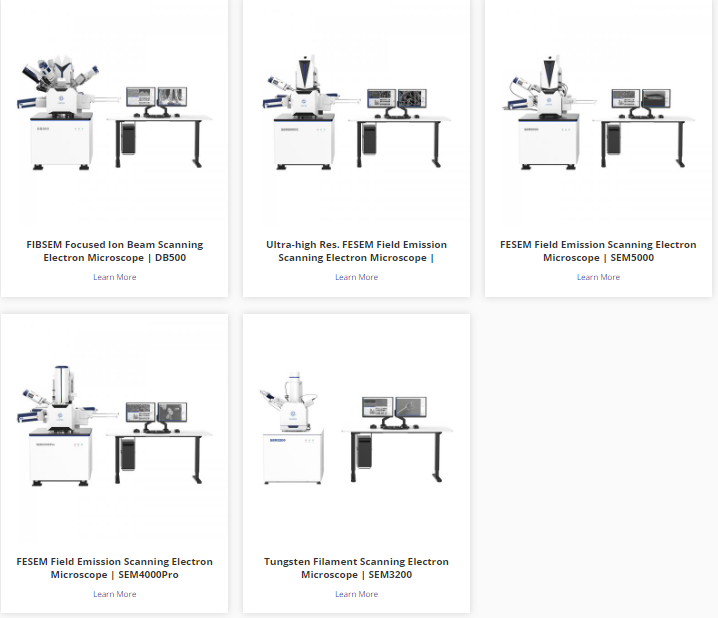
CIQTEK Co., Ltd.: CIQTEK is the world's leading scientific instrumentation company offering various types of high-quality SEMs including CSEMFESEMFIB-SEM, and so on.

Products can be shipped to Nigeria through their well-established global distribution.

Prices are more favorable compared to other brands, and over 1000 customers have given unanimous positive feedback.

They offer a professional SEM service team to help you find the best SEM solutions. Free Quote and customized demo now.

Website: https://www.ciqtekglobal.com/


CIQTEK Scanning Electron Microscope


JEOL Ltd: It is a manufacturer of scientific equipment including SEM.


Leica Microsystems: Leica Microsystems is a trusted supplier of microscope systems including SEM.


When looking for a supplier of scanning electron microscopes in Nigeria, it is crucial to consider both local options as well as international suppliers that offer shipping services. It is recommended that you visit the official websites of these companies to gather more valid information and get quotes.


Express gratitude to our valued partner, SciMed, for releasing an incredible promotional video showcasing the remarkable features of the SEM3200 Scanning Electron MicroscopeWe are glad to share the key highlights presented in this video.


Question 1. What makes the CIQTEK SEM3200 unique?

Question 2. What types of samples can the SEM3200 handle?

Question 3. What detectors are compatible with the SEM3200?

Question 4. How does the SEM3200 benefit researchers?

......

Throughout the video, SciMed has thoughtfully addressed common questions surrounding the SEM3200. They touch upon topics such as sample preparation techniques, imaging modes, data analysis software, and the diverse applications of the microscope across various scientific disciplines. This comprehensive overview provides researchers with a deeper understanding of the SEM3200's functionalities and potential contributions to their specific fields of study.

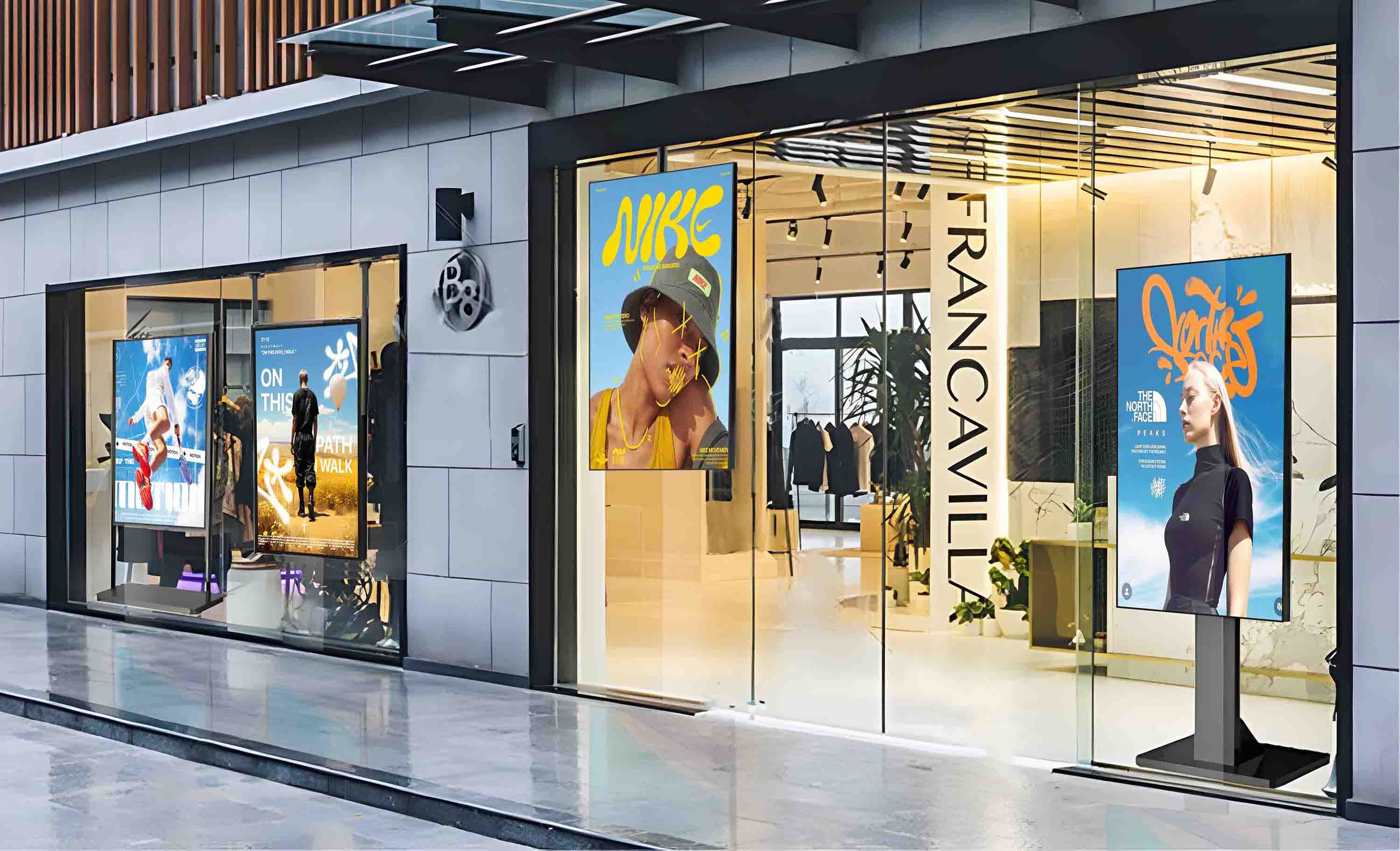
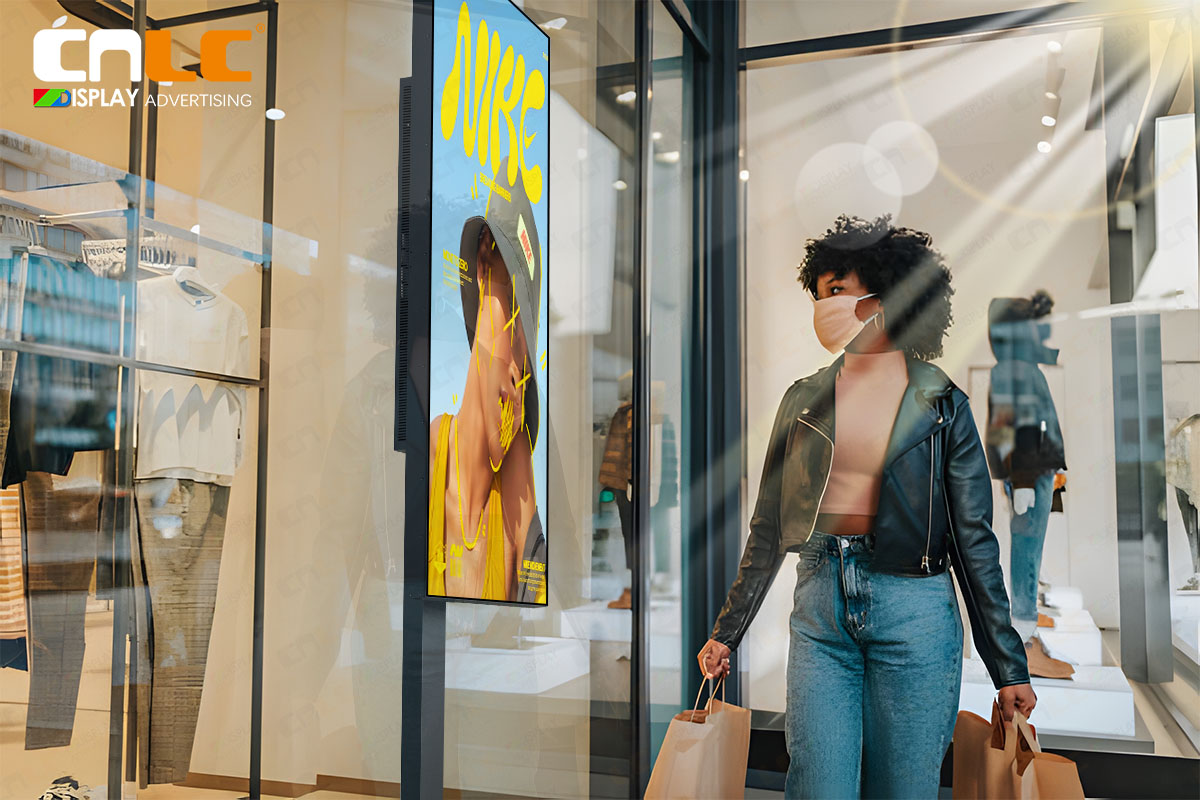
In modern retail environments, shop windows are not just showcases for products but also visual focal points that attract customers. LCD Digital Signage has become an essential tool for shop window displays due to its superior display quality and flexible content management. However, selecting the right LCD Digital Signage is not an easy task. This article will explore eight crucial factors to consider when choosing LCD Digital Signage for shop windows, helping you make an informed decision.


LCD Digital Signage


1. Superior Sunlight Readability

Shop windows often face direct sunlight and bright lighting conditions. Therefore, choosing Shop Window Digital Signage with high brightness and anti-glare capabilities is essential. This ensures the screen remains visible in all lighting conditions.

Recommended Standards

  • Brightness: At least 3000 nits

2. Efficient Space Utilization

Space in shop windows is limited. Therefore, the design of LCD Digital Signage should be as compact as possible without compromising display quality. Thin designs and flexible installation options can maximize the available space.

Recommended Standards

  • Ultra-thin bezel design
  • Wall-mounted or hanging installation

3. Long-lasting Durability

Shop window displays often need to run for extended periods. Choosing durable LCD screens with long lifespans can reduce maintenance costs and replacement frequency, ensuring long-term stable display performance.

Recommended Standards

  • Mean Time Between Failures (MTBF) over 50,000 hours

4. Vivid Image Quality

The image quality of the display directly impacts the customer's visual experience. Choosing LCD screens with vibrant colors and high contrast can present more vivid product images and attract customers' attention.

Recommended Standards

  • Color gamut coverage: NTSC 85% or higher
  • Contrast ratio: 3000:1 or higher

5. Ultra-High-Definition Display

High resolution allows for sharper, more detailed images, enhancing the visual effect. In terms of detail display and text content, 4K or higher resolution screens perform exceptionally well.

Recommended Standards

  • Resolution: At least 3840x2160 (4K)

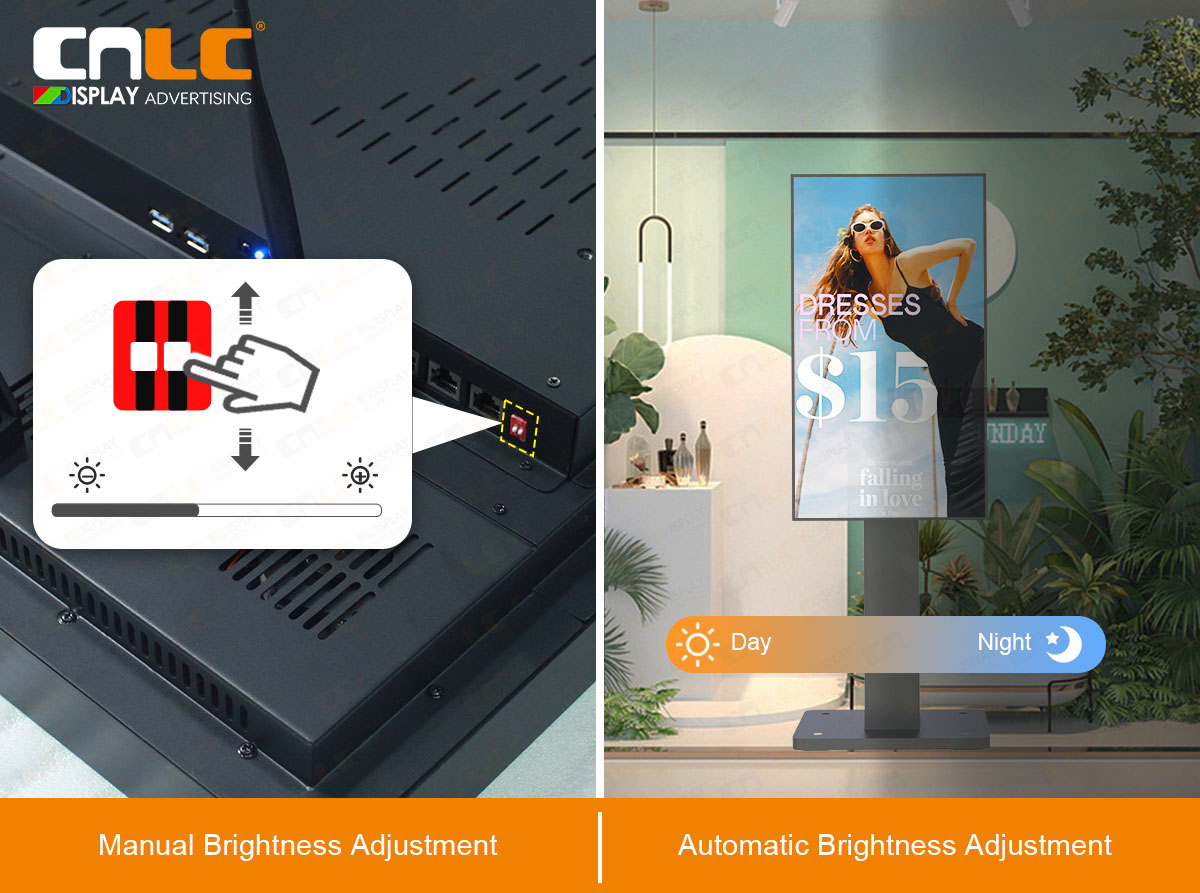
6. Intelligent Brightness Adjustment

Automatic brightness sensors can adjust the screen's brightness according to the ambient light, ensuring optimal visibility, extending the screen's lifespan, and saving energy.

Recommended Standards

  • High sensitivity brightness sensor
  • Wide automatic adjustment range


LCD Digital Signage

7. Flexible Installation Options

Flexible installation methods can meet the needs of different shop window designs, ensuring the screen integrates perfectly with the store layout. Whether wall-mounted, hanging, or embedded, the installation should be simple and quick.

Recommended Standards

  • Supports multiple installation methods
  • Provides detailed installation guides and accessories


LCD Digital Signage


Case Study: CNLC's Successful Project in New Zealand

To better illustrate the practical application of LCD Digital Signage, we share a successful project by CNLC in New Zealand. In an indoor shopping mall in New Zealand, CNLC installed several LCD Totems, providing high brightness and high contrast display effects. These screens enhanced the mall's visual appeal and offered rich advertising content.

Project Highlights:

  • Project Name: New Zealand Indoor Shopping Mall LCD Totem Project
  • Equipment Features: High brightness LCD screens, intelligent temperature control system, ultra-thin bezel design
  • Project Outcome: Improved the mall's advertising display effect, attracting more customer attention
  • Details: More information about the project can be found here

Conclusion

Choosing the right LCD Digital Signage for shop windows requires considering several factors, including superior sunlight readability, efficient space utilization, long-lasting durability, vivid image quality, ultra-high-definition display, energy efficiency, intelligent brightness adjustment, and flexible installation options. These factors directly impact the performance and operating costs of the display. By focusing on these key points, you can choose the most suitable LCD screen, enhancing your shop window's display effect and attractiveness.

We hope this article provides valuable insights to help you make the best choice. If you have any questions or need further consultation, please feel free to contact us.

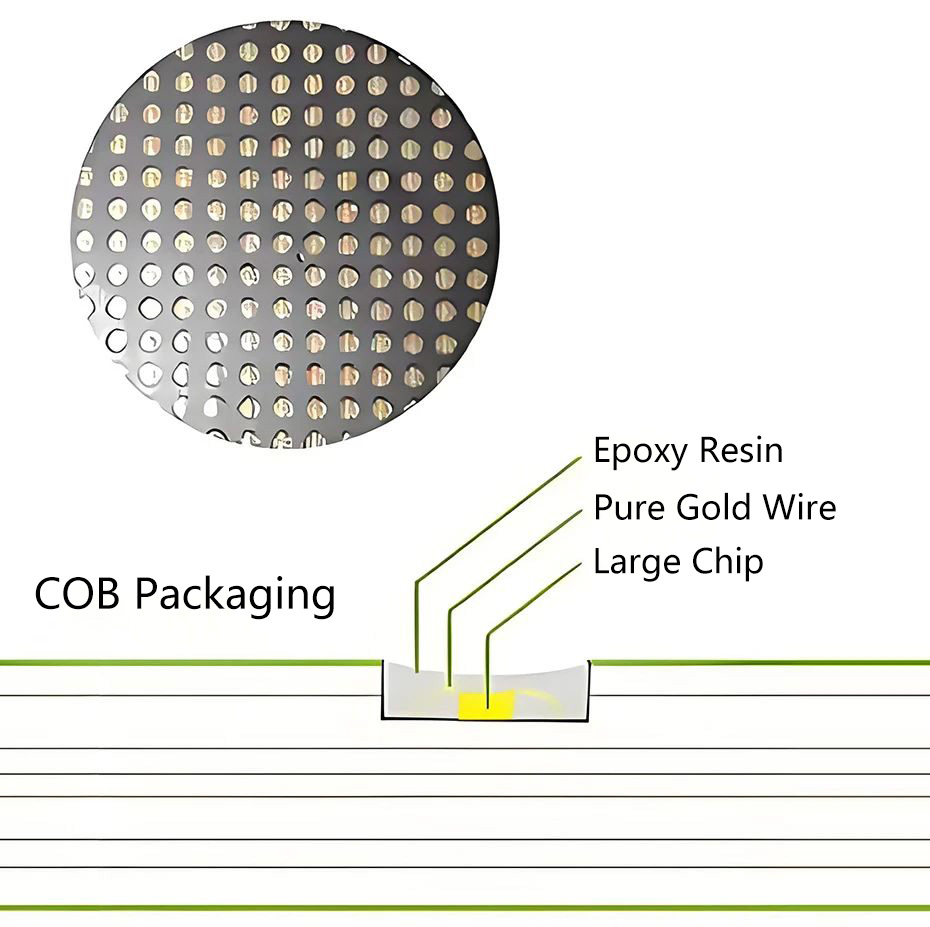
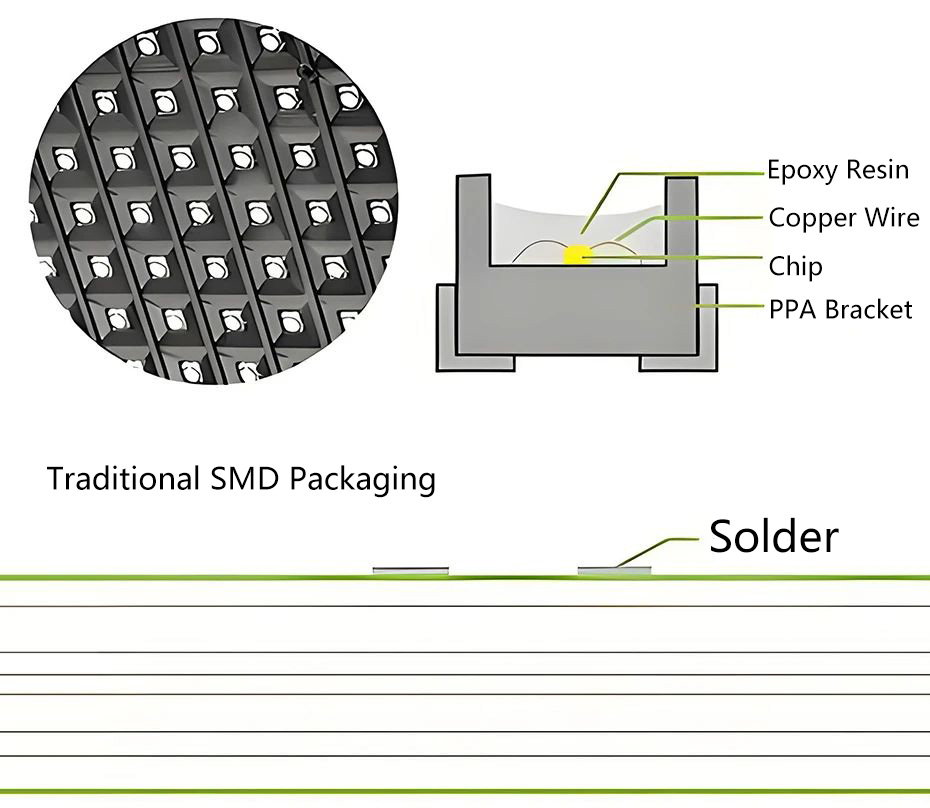
In the manufacturing of LED display screens, gold wire and copper wire play crucial roles. These wires are responsible for connecting the electrodes on the chip's surface to the supporting frame. When electricity flows through these wires, it powers the chip, causing it to emit light. Therefore, the quality of the wire directly affects the performance and lifespan of the LED display. How do we choose between "gold wire" and "copper wire" in this ongoing technological debate? This article will take you through an in-depth understanding of these two packaging technologies and their respective characteristics.


1. What is Gold Wire Bonding?


Gold wire bonding refers to the technology of using gold wire as a conductive material to connect the chip electrodes to the frame in the LED packaging process. Gold wire offers excellent electrical conductivity and oxidation resistance, making it widely used in high-end LED packaging. This technology significantly enhances the reliability and lifespan of LED displays, especially in environments with high humidity and corrosion.

LED display screens with gold wire bonding are commonly used in high-end applications, such as outdoor billboards and large indoor displays, where high image quality, stability, and durability are crucial. Common models include P5, P3, P2.5, P2, P1.667, which are particularly suitable for ultra-high-definition small-pitch LED screens.


small-pitch LED display

2. Which LED Display Models Use Gold Wire Bonding?


LED displays using gold wire bonding are usually high-end products that require long lifespan and stability. For example, a P1.667 small-pitch LED display may use gold wire-bonded SMD1010 LED lamps paired with a high-refresh-rate driver IC, delivering a delicate and clear display with an ultra-wide viewing angle. The lightweight aluminum frame design not only facilitates installation but also saves on transportation costs, making it ideal for high-end display applications.

small-pitch LED display

3. What is Copper Wire Bonding?


Copper wire bonding involves using copper wire to connect the chip electrodes to the frame. Due to its lower cost compared to gold wire, copper wire bonding is widely adopted in mid-range and low-end LED display screens. With technological advancements, copper wire bonding has gradually overcome some initial technical challenges, such as improving conductivity and welding stability. However, copper wire is still inferior to gold wire in terms of oxidation resistance and mechanical performance, meaning it may not be as durable in harsh environments.

4. Which LED Display Models Use Copper Wire Bonding?


Copper wire bonding is often used in mid-range and low-end LED display screens, such as P1.25, P1.53, P1.66, P1.86, P2.0, P2.5, P3, P4. These models are commonly used in indoor home displays, small advertising screens, or in large-scale outdoor applications where cost control is crucial and the requirements for longevity and stability are relatively lower.


5. Differences Between Gold Wire and Copper Wire Bonding


  • Cost: Gold wire bonding has a high cost, primarily due to the expensive nature of gold wire. Copper wire bonding is less costly and is the preferred choice for many cost-sensitive applications. The cost of copper wire is typically only one-third or even less than that of gold wire, which presents a significant cost advantage for large-scale production of LED display screens.

  • Oxidation Resistance: Gold wire offers superior oxidation resistance, maintaining a stable connection in harsh environments. In contrast, copper wire is more prone to oxidation, which can result in poor connections or metal deformation, affecting the product's quality and lifespan.

  • Weld Point Contact: Gold wire bonding excels in weld point contact, ensuring a stable connection between the chip and the frame. Due to its material characteristics, copper wire may not easily bond tightly with the frame, and the weld points can be prone to cracking or damage, impacting reliability.

  • Thermal Conductivity: Copper wire has better thermal conductivity than gold wire, which helps in rapid heat dissipation in high-power LED applications, improving the display's efficiency and stability. However, in most LED display applications, electrical conductivity and oxidation resistance are usually more critical factors.


6. How to Choose Between Gold Wire or Copper Wire Bonding?


When choosing between gold wire or copper wire bonding, it is essential to consider the actual application scenarios and performance requirements. For high-end applications that require high reliability and a long lifespan, gold wire bonding is the better choice, such as for large outdoor billboards and premium indoor displays. For cost-sensitive applications or mid to low-end markets, copper wire bonding is more attractive due to its cost advantages.


small-pitch LED display


Conclusion


Both gold wire bonding and copper wire bonding have unique advantages and application scenarios. As technology continues to advance and costs keep optimizing, these two packaging technologies will continue to play essential roles in the LED display screen industry. Understanding their features and differences will help us choose the right LED display products for our needs, promoting healthy industry development.


At CNLCdisplay, we understand the importance of delivering high-quality and reliable smart advertising machines to our clients. To ensure that each product meets our stringent standards, every unit undergoes a comprehensive quality testing process before being shipped. This meticulous approach guarantees that our machines perform flawlessly in various conditions and environments.

Comprehensive Quality Testing

48-Hour Power-On Test

Before any CNLC advertising machine leaves our facility, it undergoes a 48-hour continuous power-on test. This test involves powering up the machine and running it for two full days to identify any potential electrical or operational issues. By monitoring the machine's performance over an extended period, we can ensure its reliability and stability.

Display Performance Test

During the power-on test, we also conduct a display performance test. This involves playing various content to check the quality of the display, ensuring that the visuals are clear, vibrant, and free from any defects. This step ensures that the Digital Signage Display will provide an excellent viewing experience for the audience.

Waterproof Test

Given that many of our products are designed for outdoor use, it's crucial that they are waterproof. Each machine undergoes a waterproof test to verify its ability to withstand rain and other moisture-related challenges. This ensures that our Outdoor Digital Signage can operate effectively in all weather conditions.

High and Low Temperature Test

To ensure that our advertising machines can perform in various environmental conditions, we subject them to high and low temperature tests. This process involves exposing the machines to extreme temperatures to check their durability and functionality. By simulating harsh conditions, we can guarantee that our products will operate reliably, regardless of the climate.

Internal and External Inspection

After the aforementioned tests, our quality control team conducts a thorough inspection of both the internal structure and external appearance of each machine. This step involves checking all internal components to ensure they are securely installed and functioning correctly. Additionally, the exterior is examined for any signs of damage or imperfections, ensuring that the machine is visually appealing and meets our high aesthetic standards.

Final Quality Assurance

Only after passing these stringent tests and inspections does the advertising machine proceed to the final stage: packaging and shipment. Our quality assurance team verifies that each unit meets all specified criteria before it is carefully packaged to prevent any damage during transit. This final check ensures that our clients receive a product that is not only high-performing but also visually impeccable.

Why Choose CNLC's Advertising Machines?

  1. Rigorous Testing: Each machine undergoes multiple tests, including a 48-hour power-on test, display performance test, waterproof test, and high and low temperature tests.
  2. Detailed Inspections: Comprehensive checks of internal components and external surfaces to identify and address any defects.
  3. High Standards: Our quality assurance process ensures that every machine meets the highest standards of performance and appearance.
  4. Safe Packaging: Careful packaging to protect the machine during transit, ensuring it arrives in perfect condition.

Conclusion

At CNLC, we are committed to delivering advertising machines that exceed our clients' expectations. Our rigorous quality testing process ensures that each Digital Signage Display and Outdoor Digital Signage is ready to perform reliably in any environment. By choosing CNLC, you are investing in a product that combines cutting-edge technology with uncompromising quality and durability.

This blog post highlights CNLC's dedication to quality assurance and the meticulous testing process that each advertising machine undergoes before shipment. We hope this gives you confidence in the reliability and performance of our products. If you have any questions or need further information, please feel free to contact us.


The 2024 Paris Olympics is not just a feast for global sports enthusiasts but also an excellent opportunity for brands and companies to showcase their image and innovative technologies. In this globally watched event, digital signage advertising displays, with their efficiency, interactivity, and flexibility, have become a favorite in brand marketing. This article explores how to leverage digital signage advertising displays to enhance brand influence and market share by capitalizing on the buzz around the Paris Olympics.


Real-time Updates and Interactive Experiences

During the Olympics, audiences have a strong demand for real-time updates on event results, medal counts, and match schedules. Digital signage advertising displays can provide the latest Olympic information through real-time data updates. Additionally, interactive features such as touch screen interactions and QR code scanning can increase audience engagement and collect valuable data through user feedback and interactions, supporting subsequent marketing activities.


Athlete Stories and Brand Promotion

The Olympics is not only a stage for competition but also a platform for athletes to showcase their personal stories and spirit. By displaying inspiring stories and exciting moments of athletes through digital signage advertising displays, brands can enhance emotional connections. For example, showcasing Simone Biles' comeback and Armand Duplantis' record-breaking moments can evoke audience resonance and brand recognition.


Efficient Ad Placement

Digital signage advertising displays can deliver targeted ads based on the audience's real-time location and behavior. During the Paris Olympics, high-traffic areas such as airports, train stations, subway stations, and around the competition venues are ideal spots for ad placement. By setting up digital signage in these locations, brands can maximize exposure and attract more potential customers.


Social Media Integration

Integrating social media content into digital signage advertising displays can significantly enhance the freshness and interactivity of the content. Audiences can follow real-time social media updates on the displays, keeping up with the latest event discussions, athlete updates, and fan interactions. This not only diversifies the content but also expands the brand's reach through social media platforms.


Sustainability Messaging

The 2024 Paris Olympics emphasizes environmental sustainability, presenting a great opportunity for brands to communicate their green initiatives. Using digital signage advertising displays to showcase the brand's environmental efforts and sustainability achievements can enhance social responsibility and public image. For example, promoting the use of eco-friendly materials in digital signage or highlighting the brand's efforts in reducing carbon footprints are excellent ways to convey this message.


Conclusion

The 2024 Paris Olympics provides a perfect platform for digital signage advertising displays. Through real-time updates, interactive experiences, targeted placements, and social media integration, brands can leverage this global event to significantly enhance brand awareness and market influence. In future market competition, digital signage advertising displays will continue to play a unique role, becoming an important tool in brand marketing.

In the fields of information display and advertising, LCD Digital Signage is widely used due to its excellent display performance and versatility. Choosing the right LCD Digital Signage not only affects visual quality but also impacts long-term reliability. This article will provide a detailed analysis of key technical parameters of LCD Digital Signage, including LCD panel brands, brightness, contrast ratio, orientation, intelligent temperature control systems, casing materials, IP rating, and operating temperature, to help you make an informed purchasing decision.


1. Understanding Technical Parameters

Understanding the following technical parameters is crucial for selecting the right LCD Digital Signage:

LCD Panel Brand: The brand of the LCD panel directly influences the performance and quality of the display. Reputable brands such as LG, Samsung, and AUO typically offer higher image quality, stability, and longer lifespan. Choosing a reliable brand ensures superior display performance and durability.

Brightness: Brightness determines the visibility of the display under various lighting conditions. Common brightness ranges are 300-600 cd/m² for indoor use, while outdoor environments require high-brightness displays of 2500 cd/m² or more to ensure clear visibility.

Contrast Ratio: The contrast ratio affects the image quality and color representation of the display. High contrast ratios (e.g., 1200:1 or higher) provide more vivid colors and deeper blacks, enhancing visual effects and detail display.

Orientation: The orientation of the display (horizontal or vertical) depends on the application requirements. Horizontal displays are suitable for billboards and mall displays, while vertical displays are ideal for kiosks and metro stations. Choose the appropriate orientation to meet the specific needs of your application.

Intelligent Temperature Control System: An intelligent temperature control system can monitor and adjust the display's operating temperature in real-time to prevent overheating. This system typically includes built-in fans, heat sinks, or temperature sensors, ensuring the device remains at a normal temperature during prolonged use, thus extending its lifespan.

Casing Materials: The casing material of the display affects its durability and protection. Common casing materials include aluminum alloy and steel, with aluminum alloy casings being popular for their lightweight and excellent heat dissipation. Choose sturdy and durable casing materials to protect the display from external damage.

IP Rating: The IP rating indicates the protection level of the display. An IP56 rating means the display is completely dust-proof and water-resistant, making it suitable for outdoor environments. Choosing a high IP rating ensures the device can operate normally under various weather conditions, reducing the occurrence of malfunctions.

Operating Temperature: The operating temperature range of the LCD display determines its adaptability to different environments. Common operating temperature ranges are -10°C to 50°C. Ensure that the chosen display can operate stably within the expected environmental temperature.

2. Application Scenarios

Different application scenarios have varying requirements for LCD displays:

Advertising and Retail Display: High-resolution and high-brightness LCD displays can effectively attract customers' attention, displaying advertisements and promotional information. Suitable for malls, exhibitions, and retail stores.

Public Information Display: In locations such as stations, airports, and public squares, LCD displays need to have good visibility and durability to ensure clear information transmission and long-term stable operation.

3. Purchasing Tips

Consider the following aspects when purchasing an LCD display:

Supplier Reputation: Choose suppliers with a good reputation to ensure product quality and after-sales service. Reviewing supplier customer feedback and project cases can help evaluate their reliability.

Quality Certifications: Ensure the purchased LCD displays meet international quality standards, such as CE and RoHS. These certifications guarantee product performance and safety.

After-Sales Service: Confirm whether the supplier offers comprehensive after-sales services, including warranty, technical support, and repair services. Good after-sales service can help resolve issues during usage.

Cost-Effectiveness: When choosing an LCD display, look for cost-effective products within your budget. Consider the balance between price and performance to ensure the best return on investment.

4. Case Study

Guangzhou FlowerCity Square LCD Display Project: Recently, we installed 200 outdoor 49-inch LCD displays at Guangzhou FlowerCity Square. The success of this project lies in choosing high-brightness and high-resolution displays, ensuring clear content visibility under various lighting conditions. Customer feedback indicates that these displays have excelled in advertising and public information display, significantly enhancing visual effects and audience experience.

For more details about this project, visit our website https://www.cnlcdisplay.com

Conclusion:

Selecting the right LCD display requires comprehensive consideration of technical parameters, application scenarios, and purchasing tips. We hope this guide helps you make informed decisions during the purchasing process. If you need more information or consulting services, feel free to contact us, and we will provide professional support.