The Difference between Mechanical Watches and Quartz Watches


Hey everyone!
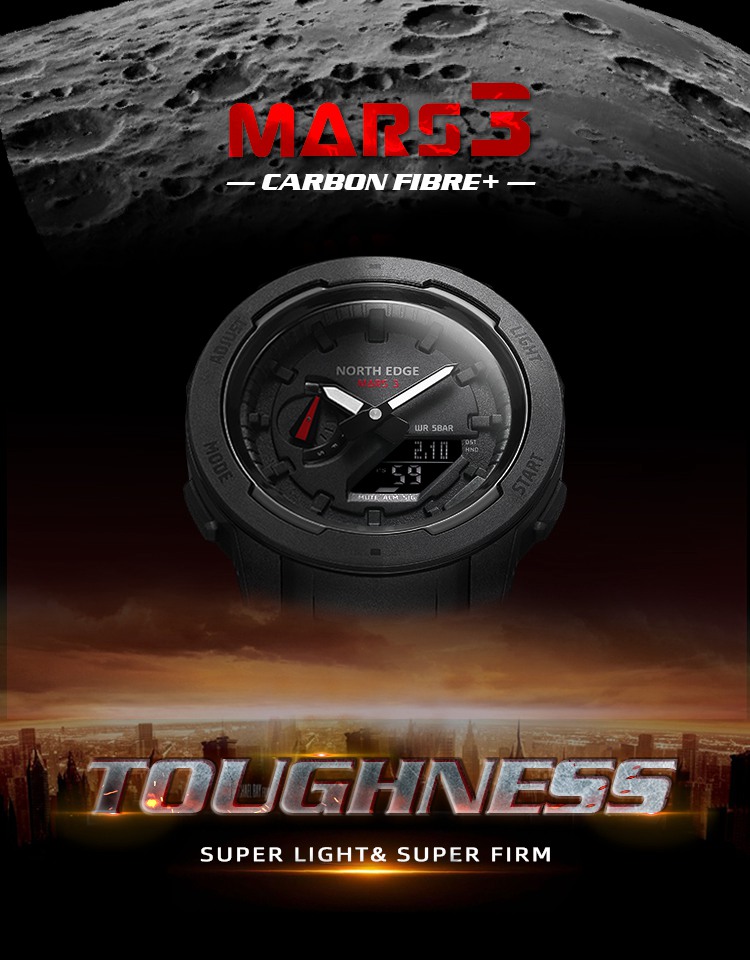
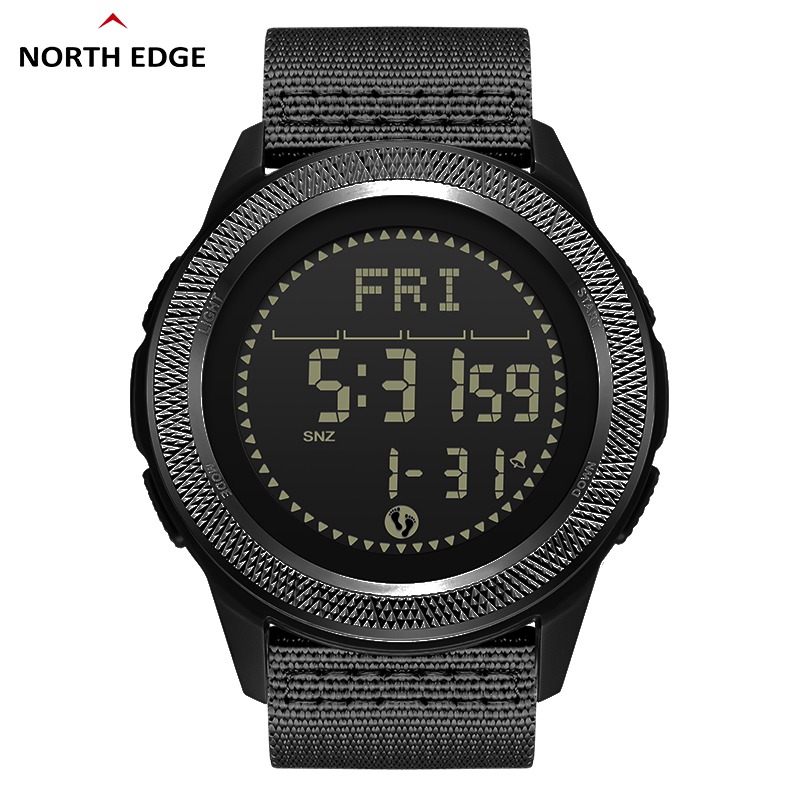
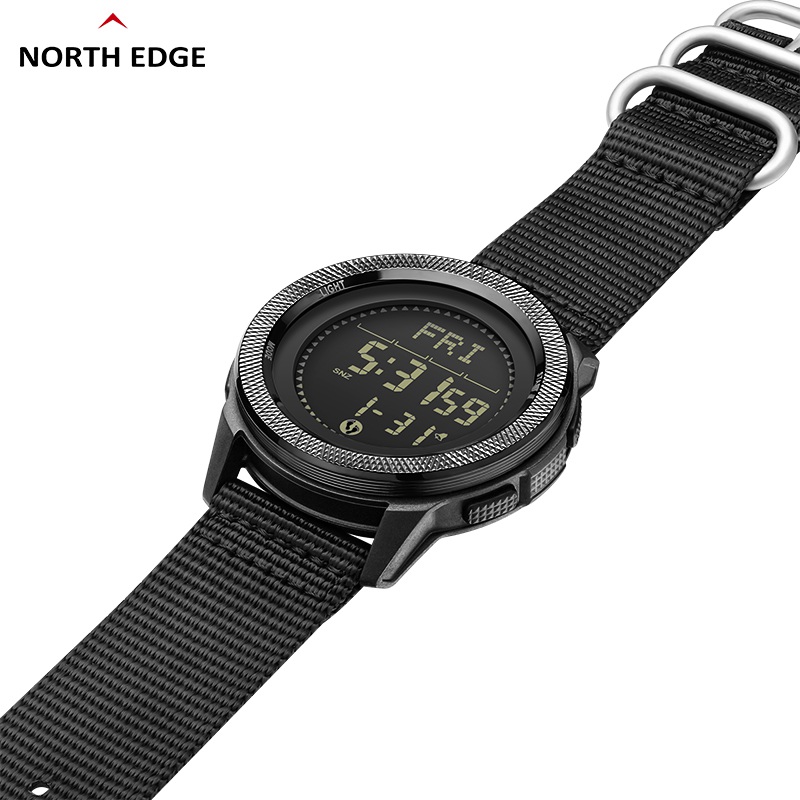
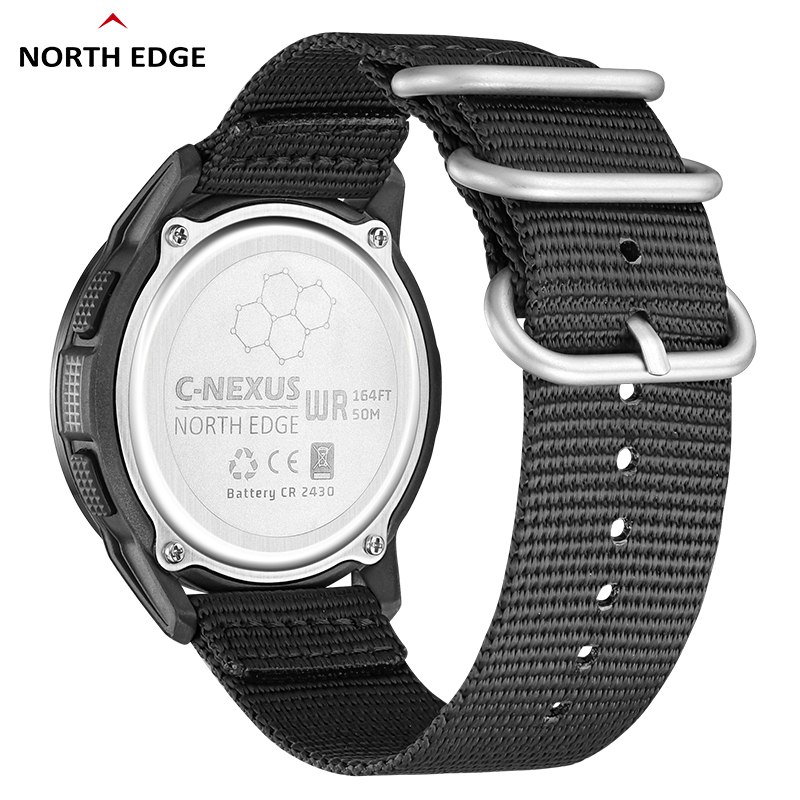
Father's Day is coming up, and I want to share an amazing gift option - the Snow Leopard watch.
This watch is truly extraordinary. It not only tells time accurately with its hour, minute, second, year, month, and day display, but also has a 12/24H system. It offers a whole range of practical functions like atmospheric pressure measurement, altitude measurement, stopwatch, compass, alarm, thermometer, and a second time function. The backlight is handy, and the sleep function is a nice touch.
It's a combination of style and functionality that any father would love to have on his wrist. It's the ideal way to show our appreciation and love for our dads this Father's Day.
Don't miss out on this great gift choice!

First, let's discuss the causes of low-frequency vibrations.
Repeated tests have shown that low-frequency vibrations are primarily caused by the resonances of the building. The construction specifications for industrial and civil buildings are generally similar in terms of floor height, depth, span, beam and column sections, walls, floor beams, raft slabs, etc. Although there may be some differences, particularly regarding low-frequency resonances, common characteristics can be identified.
Here are some patterns observed in building vibrations:
1. Buildings with linear or point-shaped floor plans tend to exhibit larger low-frequency resonances, while those with other shapes such as T, H, L, S, or U have smaller resonances.
2. In buildings with linear floor plans, vibrations along the long axis are often more pronounced than those along the short axis.
3. In the same building, the first floor without a basement typically experiences the smallest vibrations. As the floor height increases, the vibrations worsen. The vibrations in the first floor of a building with a basement are similar to those in the second floor, and the lowest vibrations are typically observed in the lowest level of the basement.
4. Vertical vibrations are generally larger than horizontal vibrations and are independent of the floor level.
5. Thicker floor slabs result in smaller differences between vertical and horizontal vibrations. In the majority of cases, vertical vibrations are larger than horizontal vibrations.
6. Unless there is a significant vibration source, vibrations within the same floor of a building are generally consistent. This applies to locations in the middle of a room as well as those near walls, columns, or overhead beams. However, even if measurements are taken at the same location without any movement and with a few minutes interval, the values are likely to differ.
Now that we know the sources and characteristics of low-frequency vibrations, we can take targeted improvement measures and make advanced assessments of the vibration conditions in certain environments.
Improving low-frequency vibrations can be costly, and sometimes it is not feasible due to environmental constraints. Thus, in practical applications, it is often advantageous to choose or relocate to a better site for operating an electron microscope laboratory.
Next, let's discuss the impact of low-frequency vibrations and potential solutions.
Vibrations below 20 Hz have a significant disruptive effect on electron microscopes, as depicted in the following figures.
Image 1
Image 2
Image 1 and Image 2 were taken by the same Scanning Electron Microscope (both at 300kx magnification). However, due to the presence of vibration interference, Image 1 has noticeable jaggedness in the horizontal direction (in segments), and the clarity and resolution of the image are significantly reduced. Image 2 is the result obtained from the same sample after eliminating the vibration interference.
If the test results indicate that the location where the microscope is to be installed has excessive vibrations, appropriate measures must be taken; otherwise, the microscope manufacturer cannot guarantee that the performance of the microscope after installation can meet the optimal design standards. Generally, several methods can be chosen to improve or solve the issue, such as using an Anti-Vibration Foundation, Passive-Vibration Isolation Platform, or Active-Vibration Isolation Platform.
An Anti-Vibration Foundation requires on-site construction and special measures need to be taken (such as having an elastic cushion layer at the bottom and surrounding areas). Conventional construction methods may potentially increase low-frequency vibrations (below 20Hz). The construction process involving a large amount of construction materials coming in and out may inevitably affect the surrounding environment. A schematic diagram of an Anti-Vibration Foundation can be seen in Image3.
Image3
A concrete vibration isolation platform with a mass of around 50 tons generally achieves a vibration reduction effect of -2 to -10dB at frequencies above 2Hz. The larger the mass of the concrete vibration isolation platform, the better the vibration reduction. If conditions permit, it should be made as large as possible.
Based on multiple tests conducted in different locations, vibration isolation platforms weighing less than 5 tons exhibit resonance in the low-frequency range of 1-10Hz, which increases vibration. Those weighing less than 20 tons are ineffective, and the effective range starts at over 30 tons. No data is available for 30-40 tons, so it is advisable to avoid weights below 50 tons. A university in Beijing has achieved good results with a vibration isolation platform weighing around 100-200 tons. In a research institute in Chongqing, the ground concrete was directly poured on massive rocks, resulting in minimal vibration.
Among passive vibration dampers, commonly used options like rubber, steel springs, and air springs (cylinders) provide poor performance in the low-frequency range below 20Hz. They often amplify vibrations due to resonance, so they are not considered suitable.
Only magnetic dampers show acceptable low-frequency performance, but their performance is still far inferior to active dampers (similar to the vibration reduction effect of concrete vibration isolation platforms). Figure 4 compares the effectiveness of several methods.
Figure 4
Upon careful observation of Figure 4, we can draw the following conclusions:
1. The resonance frequency (fh) of the carbon steel spring is approximately 50 Hz. It does not provide any damping effect below 70 Hz and, in fact, amplifies the vibration due to resonance. The rubber pad has an fh of approximately 25 Hz and does not provide any damping effect below 35 Hz, also amplifying the vibration due to resonance.
2. Concrete dampers with a capacity below 5 tons exhibit resonance below 10 Hz and are often less effective than not using a damper at all.
3. Air springs have an fh of approximately 15 Hz, providing good damping above 25 Hz and excellent damping above 40 Hz. They are widely used for vibration isolation in precision equipment such as optical platforms. However, they exhibit significant resonance below 20 Hz, making them unsuitable for damping electron microscopes (although some electron microscopes do use air springs as a last resort).
4. Magnetic dampers provide satisfactory low-frequency damping and can be used when strict requirements are not imposed.
5. Various active dampers achieve excellent damping effects. Their resonance frequencies can be below 1 Hz, and they can provide damping up to -10 to -22 dB in the 2-10 Hz range, making them ideal for applications requiring effective damping in the low-frequency range.
In general, vibrations below 20 Hz are considered to have a significant impact on electron microscopes and are difficult to mitigate. Since most people cannot perceive vibrations below 20 Hz, it often leads to a misconception that there is no vibration when significant low-frequency vibrations are present.
Passive dampers utilize the physical properties of damping devices, such as their mass and inherent vibration transmission characteristics, to isolate and attenuate external vibrations affecting the electron microscope. The working principle of passive dampers can be referenced in Figure 5.
Figure 5
The working principle of active dampers is significantly different from passive dampers. Various types of active dampers have similar working principles, which involve a three-dimensional sensor detecting external vibrations in three directions. The sensor sends the information to a PID (Proportional-Integral-Derivative) controller, which generates control signals with equal amplitude but opposite phase. These control signals are then used by an actuator to generate internal vibrations with equal amplitude and opposite phases to counteract or reduce the external vibrations. The working principle of active dampers can be referred to as shown in Figure 6.
Figure 6
Active dampers commonly used include piezoelectric ceramic dampers, pneumatic dampers, and electromagnetic dampers. Their differences mainly lie in the actuation mechanism, while 3D detectors and PID controllers are relatively similar.
Piezoelectric Ceramic Dampers:
They utilize the piezoelectric effect of the ceramic material to generate three-dimensional internal vibrations with equal amplitude and opposite phase.
Pneumatic Dampers:
Controlled by a PID controller, the inlet and outlet valves modulate the continuous compressed air in a special cylinder to generate three-dimensional internal vibrations with equal amplitude and opposite phase.
Electromagnetic Dampers:
The PID controller controls three sets of electromagnetic coils to generate three-dimensional internal vibrations with equal amplitude and opposite phase.
Active dampers can achieve vibration reduction effects of approximately -22 to -28 dB above 20 Hz (although there have been claims of achieving -38 dB, they are mostly unsubstantiated).
Different types of active dampers also have significant price differences. Generally, the dampers are prepared before the electron microscope is installed and are installed simultaneously with the microscope.
In addition, under specific conditions, a vibration isolation trench can also achieve good damping effects.
Figure 7 depicts a situation where the vibration isolation trench is.
Figure 7
Figure 8
Figure 8 represents an ineffective scenario for a vibration trench.
In general, the deeper the vibration trench, the better the damping effect (the width of the trench has little impact on the damping effect). Here is a comparison of several common damping methods:
|
Type
|
Carbon Steel Spring |
Rubber Dampers
|
Anti-Vibration Foundation |
Magnetic Dampers |
Air Spring (Cylinder) |
Active Dampers |
|
|
Price |
Lowest |
Low |
Medium |
Low |
High |
Highest |
|
|
Damping Performance |
1~5Hz |
Poor |
Poor |
Medium |
Poor |
Poor |
Excellent |
|
5~20Hz |
Poor |
Poor |
Medium |
Medium |
Poor |
Excellent |
|
|
20~50Hz |
Poor |
Medium |
Medium |
Good |
Medium |
Excellent |
|
|
>50Hz |
Good |
Good |
Medium |
Good |
Good |
Good |
|
|
Installation and Adjustment Difficulty |
Easy |
Easy |
Difficult |
Easy |
Medium |
Difficult |
|
|
Energy Consumption |
None |
None |
None |
None |
A small amount of compressed gas |
>300w |
|
|
Routine Maintenance |
None |
None |
None |
None |
Required |
Required |
|
|
Appearance |
Integrated/ Separate |
Concealed underground |
Separate |
Separate + Flat panel |
Integrated/ Separate+ Flat panel
|
|

Currently, outdoor advertising signs have become an integral part of the city. These advertising signs make cities more lively and vibrant by attracting people's eyes. Among them, LCD advertising signs are one of the most popular types of outdoor advertising.
LCD advertising signs have many advantages. First of all, the display effect of this kind of advertising signs is very good. It uses an LCD screen to display advertising information, and this screen can produce a very clear and bright picture that is also clearly visible in the sunlight. This means that the LCD signage can show excellent visual effects during the day and night, even under adverse weather conditions.
Secondly, LCD signage allows advertisers to change the content of their ads at any time. For traditional signs, if an advertiser wants to change the content of the advertisement, he needs a special worker to replace the sign. However, LCD signage can change the content of the advertisement at any time by electronic means without changing the sign.
In addition, LCD advertising signs also have good durability. These advertising signs are usually made of high quality materials and are waterproof, windproof, and UV-proof. This allows them to work for long periods of time in outdoor environments and not be damaged.
All in all, LCD advertising signage is a very practical type of outdoor advertising. It allows advertisers to get better publicity effect through its comfortable visual effect, flexibility to change the advertisement content at any time and excellent durability, and also creates a more vivid and lively atmosphere for the city.

1. Good display effect: Outdoor LCD digital advertising signage has very good display effect, bright colors, not easily affected by sunlight and rain, and can maintain a clear picture display in various environments.
2. High reliability: Outdoor LCD digital signage has high reliability and can adapt to the harsh environmental requirements such as wide temperature range, high humidity and atmospheric pressure changes to ensure long and stable operation.
3. Cost saving: Outdoor LCD digital signage does not require complex installation, maintenance and operation costs, and can be controlled remotely to improve operational efficiency and reduce operating costs.
4. Customizable: Outdoor LCD digital signage can be customized according to customer needs, including size, resolution, brightness, installation methods, etc., to adapt to different scenarios and needs.
5. Safe and reliable: Outdoor LCD digital advertising signage is designed with waterproof, dustproof and lightning-proof, which can ensure the safety and reliability of the equipment and avoid damage caused by natural disasters or other external factors.

Window Facing High Brightness LCD Display widely used in indoor situations,such as restaurants,shops,super markets,airport and subway stations. Normally the indoor advertising display uses LCD product from 32 inch to 86 inch. Floor standing and wall mounted are both available. We can add a touch panel if you need the interact function, such as search the locations and destinations in the shopping mall. It makes people’s life more interesting and intelligent.
Now most of the digital signage’s brightness is about 350-500 nits,it’s difficult to meet the commercial needs . Simultaneously the buildings use high brightness lighting sources ,shopping malls and airport terminals use transparent roofs, those make the low brightness digital advertising display looks very badly.

If the lcd digital advertising display looks badly when facing to strong lighting sources,then it’s time to upgrade the digital signage to a high brightness indoor advertising display , which supports 1500 cd/m2 or more. Its screen is bright enough to show the advertised product clearly.It’s very helpful to promote products.
The high brightness lcd digital signage is more and more widely used everywhere,specially in restaurants and shop windows. Most of the shop windows are facing to outside,where is very bright. So it’s necessary to install an high brightness window advertising display, it helps you to show the products to the people who go pass your window.


Now the brightness of digital window display is up to 4000cd/m2,the high brightness digital display helps you to solve the reflection problem because of the dark advertising display.
The high brightness digital signage normally use the industrial grade panel from LG or BOE. And it supports auto dimming function, which works according to the ambient light. That helps to cut down the power consumption.
What’ more,we’re very experienced to adjust the contrast ratio and color gamut, that’s very important for a high definition LCD screen.
The high bright digital signage supports to be spliced,within 5mm gaps, which is suitable for a large area window advertising display. get more products details at www.cnlcdisplay.com.

With the development of economy and the progress of technology, LCD outdoor digital signage has gradually become an important and indispensable equipment in urban construction. With the advantages of high definition, wide angle view and good brightness, LCD outdoor digital signage is widely used in public transportation, advertising and weather forecasting, providing important information services for urban life and operation.
First of all, outdoor LCD digital signage has the characteristics of high definition. It adopts imported raw materials and high-end equipment, and carries out a variety of high-precision processing in the production process, which can present clearer and more delicate images, not only presenting good effects, but also long life span, and can withstand harsh climatic and environmental conditions.

In addition, the LCD outdoor digital signage has the feature of wide angle view. This digital signage adopts the latest LCD panels with a wider field of view, allowing more angles to be used to view information. In the process of outdoor information distribution, the wider the field of view area, the more it can attract people's attention. By using LCD outdoor digital signage, information will be conveyed more quickly and accurately.
Another advantage of LCD outdoor digital signage is its high brightness. It uses LED backlight technology, and its brightness is higher than that of ordinary LCD LCD screens. By adjusting the brightness under stronger sunlight, the outdoor digital signage can maintain a brighter display, thus enabling people to understand and get the message more clearly without the interference of sunlight.
In a word, LCD outdoor digital signage is a kind of digital display device with high definition and high brightness and wide angle view, which is suitable for advertising, weather forecast, public transportation and other fields. As urbanization accelerates and the demand for information services continues to escalate, LCD outdoor digital signage will certainly play an increasingly important role and bring higher quality displays and services.
In fast-paced days, outdoor advertisement has become an important way for companies to attract attention. However, traditional outdoor LCD advertising display often appear dim due to the impact of sunlight and cannot effectively convey information. But now, we are proud to launch a aluminum outdoor high-brightness LCD display, with its extremely high brightness and visibility under sunlight, let your brand shines outdoors.

The high brightness outdoor LCD display from CNLC adopts advanced high brightness backlight technology, ensuring that it can keep a bright and clear images(or videos) under strong sunlight. At the same time, our product is equipped with an ultra efficient heat dissipation system and pre heating system. No matter in summer or winter, our LCD display can work stably and without impact by temperature fluctuations. Whether the shops are along the street, in waiting area at a station or a stadium,our outdoor LCD display effortlessly catch the eye of the audience.

In order to solve the problem of reflection and interference in outdoor environment, the high brightness outdoor LCD display is equipped with professional anti-reflection coating and anti light interference technology. These technologies can effectively reduce the reflection of sunlight, provide better visibility for the LCD screen, ensure that the media contents are clearly visible, and facing direct sunlight, the customers can easily capture all details of advertised product.

Electronic lcd signage is undoubtedly an ever more popular approach for enterprises. Throughout the years, the technology has progressed to make modern-day and entertaining displays which you can use for a variety of uses.
Electronic LCD signage is becoming more and more well-known for a number of reasons. First, it gives a simple way to obtain messages to customers quickly and efficiently. Create engaging visuals, videos and also other content material that immediately seize the viewer's attention. This assists interact with individuals while also offering all of them with the information they need.
Electronic lcd signage is starting to become ever more popular like a a lot more vibrant, adaptable and cost-effective option for enterprises and agencies that are looking to convey with their customers and followers:

1. Enhancing brand image: LCD digital signage can display a company's brand image, promotional slogans and product information, enhancing the visibility and reputation of corporate brands.
2. Clear display effect: LCD digital signage has clear display effect and bright colors, which can attract customers' attention and increase sales.
3. Remote control: LCD digital signage can be maintained and managed through remote control software, saving labor costs and facilitating regular updates and maintenance.
4. High flexibility: LCD digital signage has various styles, which can meet different occasions and needs, and at the same time, it can flexibly adjust the content and layout according to the actual situation.
5. Sustainable energy saving: LCD digital signage adopts LED backlight, which has low power consumption, low heat generation and long service life, suitable for long-term use. And compared with traditional poster advertising, LCD digital signage can be recycled, reducing the impact on the environment
Polishing terrazzo floors goes beyond simply creating a shiny surface; it is a scientifically intricate procedure that involves understanding material properties, abrasives, friction, and chemical reactions. Terrazzo is a composite material made up of marble, granite, quartz, and glass chips set in cement or resin binders. Each of these components reacts differently during the polishing process, making it a fascinating subject for exploring how surface science affects both the appearance and longevity of the floor.
The hardness of the chips and binders is crucial in selecting the right abrasives and polishing methods. The Mohs hardness scale, which assesses a material’s resistance to scratching, is commonly used to analyze the components of terrazzo. Diamond grinding tools, which have a high Mohs rating, are vital for polishing terrazzo because they can effectively cut and refine a mix of hard and softer materials. This variation in hardness allows diamond abrasives to selectively polish tougher surfaces like marble and granite while quickly smoothing softer elements, resulting in a uniform and balanced finish.
Friction and heat are also important factors in the terrazzo polishing process. As polishing progresses, each abrasive grit increases friction, generating heat that slightly softens the binder. This controlled heating helps to close microscopic pores and imperfections on the floor, enhancing its smoothness and reflective quality. However, too much heat can lead to thermal damage, particularly in resin-based terrazzo, so it is essential to manage friction and temperature to avoid problems like discoloration or weakening of the binder.

The principles of the light reflection and refraction contribute an optical dimension to terrazzo floor polishing. A polished terrazzo floor appears glossy because the surface roughness is minimized to a point that allows fro specular reflection, where light bounces off evenly, creating a mirror-like effect. Achieving this uniform reflectivity involves a careful balance of micro-abrasion and polishing. As the surface is refined at a microscopic level, each aggregate chip reflects light in harmony with the others, showcasing the unique mosaic pattern of the terrazzo and enhancing its visual appeal.
TransGrind Diamond Tooling, a professional manufacturer and supplier of premium diamond grinding tools, brings science-driven innovation to terrazzo floor polishing. Our high-performance, durable, and precise tools are crafted to handle the unique challenges of terrazzo’s composite materials, ensuring optimal results in grinding and polishing. To explore our wide range of specialized products designed for exceptional results, visit us at www.transgrindtools.com.
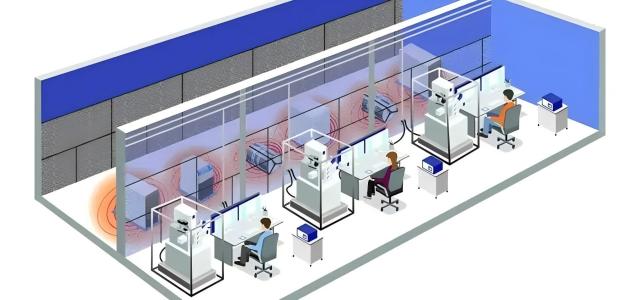
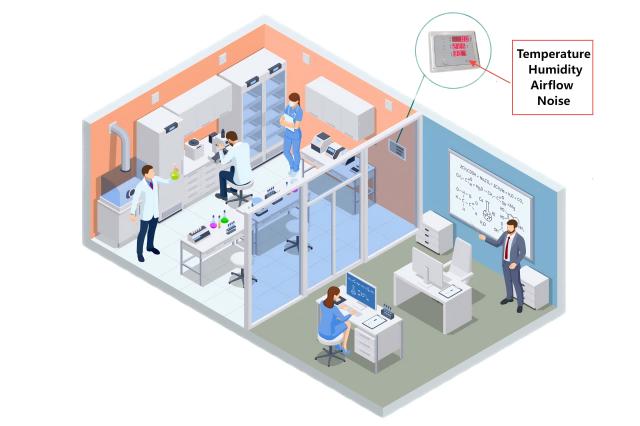
The environment of an electron microscopy lab does not directly impact the electron microscope itself but rather affects the imaging quality and overall performance of the microscope. During the operation of an electron microscope, the fine electron beam needs to travel in a high vacuum environment, covering a distance of 0.7 meters (for Scanning Electron Microscope) to over 2 meters (for Transmission Electron Microscope). Along the path, external factors such as magnetic fields, ground vibrations, noise in the air, and airflows can cause the electron beam to deviate from its intended path, leading to a degradation in imaging quality. Therefore, specific requirements need to be met for the surrounding environment.
Passive low-frequency electromagnetic shielding primarily involves two methods, which differ in the shielding material used: one method uses high-permeability materials (such as steel, silicon steel, and mu-metal alloys), and the other method uses high-conductivity materials (such as copper and aluminum). Although the working principles of these two methods are different, they both achieve effective reduction of environmental magnetic fields.
A. The high-permeability material method, also known as the magnetic circuit diversion method, works by enclosing a finite space (Region A) with high-permeability materials. When the environmental magnetic field strength is Ho, the magnetic reluctance of the high-permeability material is much smaller than that of air (common Q195 steel has a permeability of 4000, silicon steel ranges from 8000 to 12000, mu-metal alloys have a permeability of 24000, while air has an approximate value of 1). Applying Ohm's law, when Rs is much smaller than Ro, the magnetic field strength within the enclosed space (Region A) decreases to Hi, achieving demagnetization (see Figure 1 and Figure 2, where Ri represents the air reluctance within space A, and Rs represents the shielding material reluctance). Inside the shielding material, the magnetic domains undergo vibration and dissipate magnetic energy as heat under the action of the magnetic field.


Since silicon steel and mu-metal alloys exhibit anisotropy in permeability and cannot be hammered, bent, or welded during construction (although theoretically, heat treatment can improve these properties, it is impractical for large fixed products), their effective performance is significantly reduced. However, they can still be used for supplementary or reinforcement purposes in certain special areas without hammering, bending, or welding.
High-permeability materials are expensive, so they are generally not extensively used in electron microscope shielding and are only seen in a few specific areas (such as door gaps, waveguide openings, etc.).
The effectiveness of the magnetic circuit diversion method is roughly linearly related to the thickness of the shielding material, which can theoretically be infinitely thin.
B. The high-conductivity material method, also known as the induced magnetic field method, works by enclosing a finite space with high-conductivity materials. The environmental magnetic field acts on the shielding material through its electric field component, inducing an electromotive force, which in turn generates an induced current and an induced magnetic field. Based on the fundamental principles of electromagnetics, this induced magnetic field is equal in magnitude (slightly smaller due to resistance) and opposite in direction to the original magnetic field (with a slight phase lag). Thus, the magnetic field within the finite space is counteracted and weakened, achieving demagnetization.
Further understanding of the induced magnetic field method can be gained by considering the operation of a three-phase induction motor, which provides insights into the working principles of induced magnetic fields. It is important to note that an asynchronous squirrel cage motor cannot achieve the rotating magnetic field (50Hz × 60s = 3000 RPM) because the squirrel cage bars cannot cut magnetic lines, thus preventing the generation of induced currents, induced magnetic fields, and driving force.
The effectiveness of the induced magnetic field method is independent of the thickness of the shielding material within a certain range.
C. Common characteristics of both methods: Full penetration welding is required, and the height of the weld seam should not be less than the thickness of the shielding material. Attention must be paid to the design of openings at various scales and waveguide ports. Whether the design/production is successful will greatly affect the shielding effectiveness (applying the "Weakest Link" theory to shielding). It is also important to note that the vibration of the electron microscope in the shielding room should not exceed that of the surrounding environment (there have been cases where the magnetic field passed the inspection but the vibration increased compared to the original, causing non-compliance).
From their basic working principles, it is evident that both the magnetic circuit diversion method and the induced magnetic field method are ineffective for DC fields. They are also generally ineffective for near-DC fields (in such cases, an active demagnetizer is necessary to improve near-DC electromagnetic interference).
A.Compare the two methods in a table:
|
|
Advantages |
Disadvantages |
|
Magnetic Circuit Diversion |
Lower cost, adjustable shielding effectiveness (theoretically infinite)
|
Heavier weight |
|
Easy to construct and produce.
|
Slightly more difficult to construct and produce.
|
|
|
Induced Magnetic Field |
Lighter weight (aluminum) |
Use non-ferromagnetic materials |
|
|
Limited shielding effectiveness due to its fundamental mechanism.
|
Upon careful analysis, the magnetic circuit diversion method is more advantageous. The passive low-frequency demagnetizer has advantages such as small size, lightweight, low cost, no impact on the environment, and the possibility of post-purchase installation.
However, one important point to note is that magnetic shielding is often an "entrusted" project, meaning that it often includes electrical, water, air conditioning, lighting, and network systems, as well as monitoring, during the construction process. Therefore, if there is a need for remodeling, it offers a higher cost-performance ratio.
Overall, passive magnetic shielding has better effectiveness than demagnetizers, but due to the aforementioned reasons, demagnetizers may still be the only option in some environments.
For Scanning Electron Microscope, the difference between these methods is not significant. However, for Transmission Electron Microscope, it is recommended to use magnetic shielding as much as possible, as the requirements for magnetic fields are generally higher compared to Scanning Electron Microscope.