Laying hens are chickens raised specifically to lay eggs for the supply of eggs. The main task of raising laying hens is to improve egg quality and maintain or increase egg production. Laying hens breeds should be selected robust, disease resistance, foraging ability, good egg quality, high egg production rate, and coarse feeding, adapt to the local environment of the local chicken.


The laying rate of hens is very important to farmers. However, sometimes the egg production rate will decrease for some reasons, resulting in economic losses for farmers. So, what causes the decrease in laying rate of hens?


There are many reasons for the decrease in laying rate of laying hens, and the following are some of the main factors.


Environmental Factor

1. Temperature change. Too high or too low temperature can affect the laying rate of hens. For example, high temperature in summer will lead to reduced feed intake and insufficient nutrient intake of laying hens, which will affect egg production. Cold winter may cause cold stress and physiological disorders.

2. Humid environment. Excessive humidity not only affects the normal metabolism of laying hens, but also may breed harmful microorganisms and cause diseases.

3. Poor ventilation. Poor ventilation facilities or insufficient ventilation will lead to the accumulation of harmful gases (such as ammonia, carbon dioxide, etc.) in the house, affecting the health of laying hens and reducing the laying rate.


Nutritional Factor

1. Feed quality. Poor feed quality, moldy deterioration or contamination will reduce the palatability of feed, reduce the feed intake of laying hens, and lead to a decrease in laying rate.

2. Nutrient deficiency. Insufficient protein, vitamins, trace elements and other nutrients in the feed will affect the normal physiological function of laying hens, and then affect the laying rate. For example, the imbalance between calcium and phosphorus can affect the formation of eggshells.

3. Feed mutation. Sudden change of feed will lead to digestive dysfunction of laying hens, resulting in indigestion, which will affect the laying rate.


Disease Factor

1. Infectious diseases. Chickens infected with infectious diseases such as avian influenza, Newcastle disease, infectious bronchitis, etc., can lead to a sudden decline in egg production. These diseases not only affect the egg production rate of laying hens, but also can cause a large number of chicken deaths.

2. Bacterial diseases: Bacterial diseases such as colibacillosis and salmonellosis can also affect the egg production rate of laying hens.

3. Parasitic diseases: Parasitic diseases such as coccidiosis and filariasis can also have a negative impact on the egg production rate of laying hens.


Management Factor

1. Poor feeding management. Feeding is not fixed time and quantity, insufficient drinking water, equipment damage and other feeding management problems will lead to a decrease in laying rate.

2. Stress factors. Stress factors such as abnormal noise, the presence of strangers, vaccination or deworming treatment can also reduce the laying rate of laying hens.

3. Unreasonable light. Insufficient light time or insufficient light intensity will affect the physiological function of laying hens, and then affect the laying rate. 


Now, let's increase egg production in a very simple way. By using our latest research and development product High-tech Intelligent Poultry Lighting Control Box 6020 connected to the Safe LED Poultry Light Bulbs, the farming farmer can adjust the lighting time and brightness to improve lighting condition, then improve the laying rate of laying hens. 



The source of the above reason analysis: CNBIU(a Chinese We Chat Official Accounts)
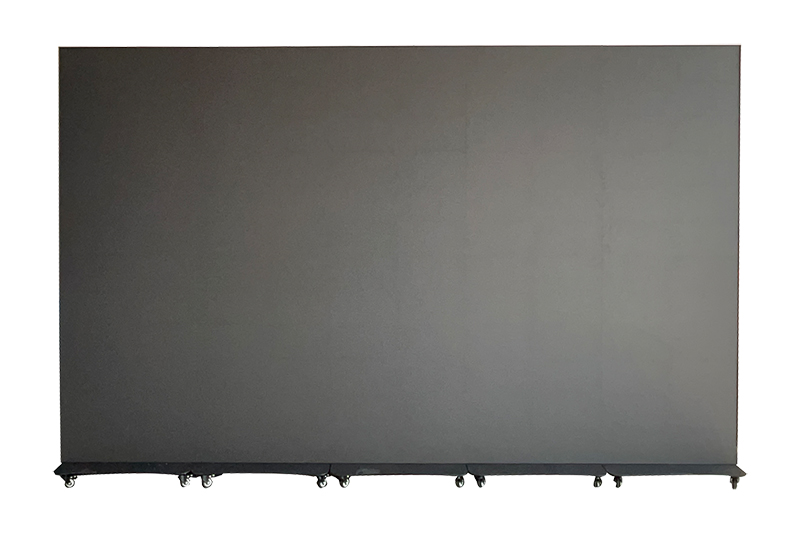
LED poster screens have revolutionized the way businesses and organizations communicate their messages. These dynamic displays offer a visually striking and highly effective means of advertising. By combining cutting-edge LED technology with sleek, modern designs, LED poster screens have become a staple in many public spaces, retail environments, and corporate headquarters.


What is an LED Poster Screen?

An LED poster screen is a digital display that uses light-emitting diodes (LEDs) to create vibrant images and videos. Unlike traditional static posters, LED poster screens can be easily updated with new content, allowing businesses to adapt to changing marketing needs. These screens are available in a wide range of sizes and configurations, making them suitable for both indoor and outdoor applications.


Advantages of LED Poster Screens

High Visual Impact: LED poster screens produce bright, eye-catching images that can be seen from a distance. The high contrast and wide color gamut ensure that your message is delivered with maximum impact.

Customization: LED poster screens can be customized to meet specific requirements. This level of customization allows you to create a unique and memorable display.

Versatility: LED poster screens can be used to display a variety of content, including images, videos, and animations. This versatility makes them ideal for a wide range of applications.


Applications of LED Poster Screens

Retail: LED poster screens are commonly used in retail environments to attract customers and promote products. They can be used to display digital signage, product demonstrations, and special offers.

Hospitality: Hotels, restaurants, and other hospitality businesses use LED poster screens to create a welcoming atmosphere and inform guests about amenities and services.

Transportation: LED poster screens are installed in airports, train stations, and bus terminals to provide information and advertising.

Corporate: Companies use LED poster screens to enhance their brand image and communicate with employees and visitors.

Public Spaces: LED poster screens are used in public spaces, such as parks and plazas, to display community announcements and events.


LED poster screens offer a powerful and flexible way to communicate your message. With their ability to produce stunning visuals, LED poster screens are a valuable tool for businesses and organizations looking to make a lasting impression. As LED technology continues to advance, we can expect to see even more innovative and exciting applications for these versatile displays.

China LED poster screen

led standing display

The field of Scanning Electron Microscopy (SEM) continues to advance rapidly, driving innovation across materials science, life sciences, and nanotechnology. Attending conferences and exhibitions provides invaluable opportunities for professionals and researchers in this domain to learn about cutting-edge technologies, share research, and network with peers. Below is a list of some of the important SEM events in the United States for 2025.


1. Microscopy & Microanalysis (M&M) 2025

  • Dates: July 27 – July 31, 2025

  • Location: Salt Lake City, Utah

The Microscopy & Microanalysis (M&M) conference is one of the premier events for electron microscopy professionals. Organized by the Microscopy Society of America (MSA) and the Microanalysis Society (MAS), this conference covers all aspects of microscopy and microanalysis. Expect various technical sessions, hands-on workshops, and an extensive exhibition featuring the latest SEM technologies.


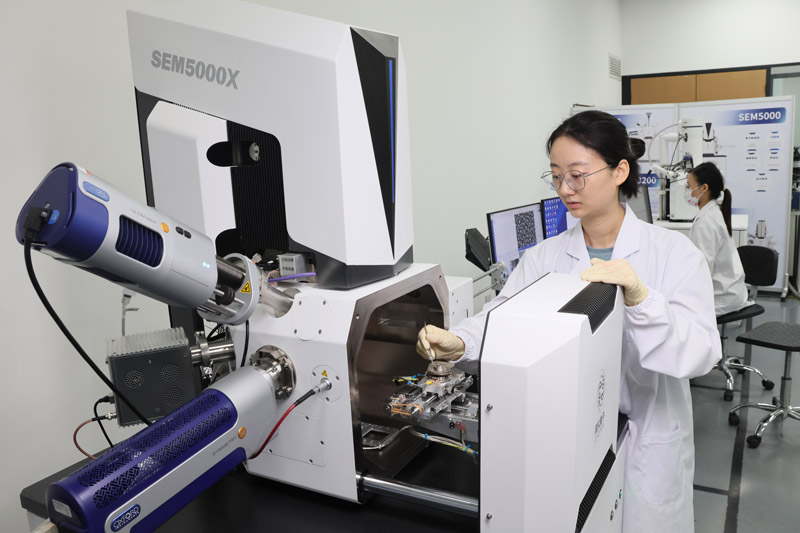
CIQTEK SEM Microscope  CIQTEK SEM will attend the M&M2025 as always. Visit at booth #1303.


2. Materials Research Society (MRS) Spring and Fall Meetings

  • Spring Meeting & Exhibit: April 7–11, 2025 | Seattle, Washington

  • Fall Meeting & Exhibit: November 30–December 5, 2025 | Boston, Massachusetts

Both the Spring and Fall MRS Meetings are essential gatherings for materials scientists. These events feature sessions on advanced characterization techniques, including SEM. Researchers can present their findings, attend specialized symposia, and explore exhibits showcasing state-of-the-art microscopy tools.


3. Pittcon 2025

  • Dates: March 1–5, 2025

  • Location: Boston, Massachusetts

Pittcon is a leading conference and expo on laboratory science. While it spans a wide range of analytical techniques, the event often features sessions and exhibitors dedicated to SEM and its applications in chemical analysis and materials characterization.


CIQTEK SEM Microscope  CIQTEK SEM will attend the Pittcon 2025. Visit at booth #625.


Why Attend SEM Microscope Meetings?

  • Stay Updated: Learn about the latest SEM microscope technologies, methodologies, and applications.

  • Network: Connect with leading researchers, industry professionals, and equipment manufacturers.

  • Collaborate: Explore opportunities for partnerships and collaborative research.

  • Professional Development: Participate in workshops and training sessions to enhance your skills.

Attending these conferences can provide a significant boost to your professional knowledge and network, ensuring you stay at the forefront of SEM advancements. Mark your calendar and plan to attend these pivotal events in 2025!

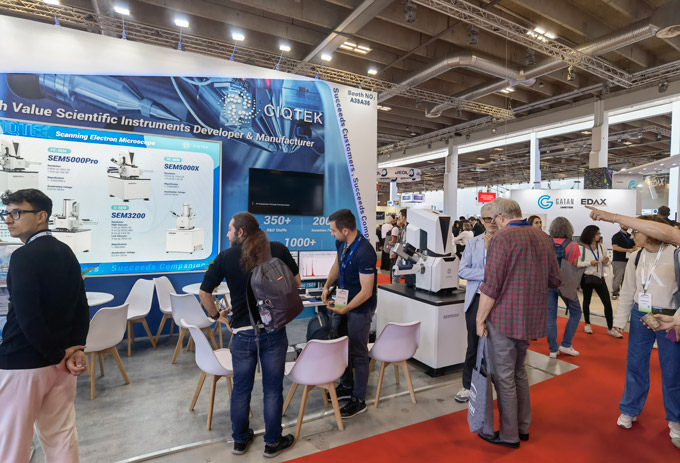
CIQTEK SEM Microscope at Exhibition


Hey everyone! I'm excited to introduce you to the new North Edge LONG WINGS solar watch that I just got, and it's absolutely amazing!

We don't have to worry about changing batteries anymore, and it charges quickly even in low light. The 180-day full charge battery life is incredible. I can go on long hikes, camping trips, or even just forget to take it off for a while, and it still keeps ticking.

The time veracity of 30 sec/month is really accurate. I'm always on time for my meetings and appointments. The triple chronograph is so handy for timing my workouts at the gym or when I'm cycling outdoors. It helps me track my progress and improve my performance.

The clear at night display is really cool. I can easily see the time when I wake up in the middle of the night without having to turn on the light and disturb my sleep. The 50M waterproof rating is great for when I go swimming or if I get caught in the rain. The tri-fold clasp with push button switch is very convenient and makes it easy to put on and take off.

And let's not forget about the 316 stainless steel construction. It looks so sleek and stylish, and I know it's going to last a long time. The brand LOGO on the bezel case and the strap just adds to the overall cool factor. 

I highly recommend the North Edge LONG WINGS to anyone who wants a great watch that can keep up with their active lifestyle.


     Hey everyone! Today, I'm super excited to share my thoughts on the Smart Watch QX7 Pro.
 
North edge watch supplier
First off, the 2.0 - inch HD retina display is a stunner. With a resolution of 240*282 pixels, every icon, every notification, looks sharp and vibrant. Whether I'm checking my messages or tracking my workout stats, the visual experience is top - notch.
 
The health - monitoring features are a huge plus. Knowing my heart rate and blood pressure throughout the day gives me peace of mind. And the real - time temperature monitoring? It's a nifty addition, especially during flu seasons.
 
In terms of sports, the 100 + sport modes have been a game - changer. Whether I'm hitting the gym for a weightlifting session or going for a run, the watch accurately tracks my progress. And let's not forget the high - fidelity speaker. Listening to music during my workouts has never been clearer.

-----------------------------

Overall, the Smart Watch QX7 Pro has seamlessly integrated into my daily life, making it more organized, healthier, and more enjoyable. 


Scanning electron microscopes (SEMs) are essential for modern research and industrial applications, allowing detailed imaging and analysis of nanoscale materials. However, investing in a scanning electron microscope is a big decision, and understanding its pricing structure is crucial for potential buyers. In this blog, we will analyze the factors that affect the cost of an SEM, typical price ranges, and additional costs to consider.


What affects the cost of an SEM?

The price of an SEM varies greatly depending on its specifications, features, and intended application. Here are some key factors:

1. Resolution and Performance

High-resolution SEMs capable of imaging at the nanometer or sub-nanometer level are typically more expensive. Advanced models have enhanced imaging capabilities such as higher magnification and better signal-to-noise ratios.


2. Additional Features

Modern SEMs usually have the following additional features:

- Energy dispersive X-ray spectroscopy (EDS) for elemental analysis.

- Electron Backscatter Diffraction (EBSD) for crystallographic studies.

- Environmental SEM (ESEM) is used to image wet or biological samples.

Each of these capabilities adds to the total cost.


3. Automation and Software

SEMs with automation features such as autofocus, auto diffuser, and advanced image processing software are more expensive. These features improve ease of use and productivity, especially in high-throughput environments.


4. Brands and Manufacturers

Leading manufacturers such as Thermo Fisher Scientific, Zeiss, JEOL, and CIQTEK typically offer a range of models, with premium models at a higher price point. CIQTEK, in particular, has a reputation for providing high-quality SEM solutions that combine performance and affordability, making it a cost-effective choice for many laboratories.

CIQTEK SEM Microscopes


5. Size and portability

Benchtop or desktop SEMs are more affordable and compact, making them suitable for small labs or educational purposes. On the other hand, full-size SEMs offer higher performance but are expensive.


Typical Price Ranges for Scanning Electron Microscopes

> Entry-level scanning electron microscopes: $50,000 - $100,000

These models are designed for basic imaging and are popular in educational institutions and small laboratories.

> Mid-range SEM: $100,000 - $300,000

Mid-range SEMs are ideal for research labs and industrial applications, with higher resolution and additional features such as EDS.

> High-end SEM: $300,000 - $1,000,000+

These systems are equipped with cutting-edge technology for advanced research and applications such as nanotechnology and semiconductor manufacturing.


Other Costs to Consider

When budgeting for SEM, it is important to consider the associated costs:

1. Installation and Training

Installation fees and operator training add to the initial cost. Manufacturers often include these services in the purchase package or charge an additional fee for them.

2. Maintenance and Service Contracts

Regular maintenance is essential for optimal SEM performance. Service contracts can range from $5,000 to $20,000 per year depending on the system's complexity.

3. Consumables and Accessories

- Conductive coatings for non-conductive samples.

- Sample holders and stubs.

- Replacement parts such as filaments or detectors.

4. Laboratory Infrastructure

High-performance scanning electron microscopes may require specific environmental conditions such as vibration isolation, temperature control, and specialized power supplies, which can increase setup costs.


Scanning electron microscopes can cost anywhere from a few tens of thousands of dollars to over a million dollars, depending on the model and features. While the initial price is an important consideration, potential buyers should also take into account long-term costs such as maintenance, consumables, and lab infrastructure. Knowing these factors will allow you to make an informed decision based on your research or industrial needs.

If you are considering investing in an SEM, consult with the manufacturer to discuss your specific requirements and receive a tailored quote. With the right system, an SEM can be a transformative addition to your analytical capabilities.

What Are the Electrical Properties and Dimensional Stability of TLX-8 PCB?

Introduction

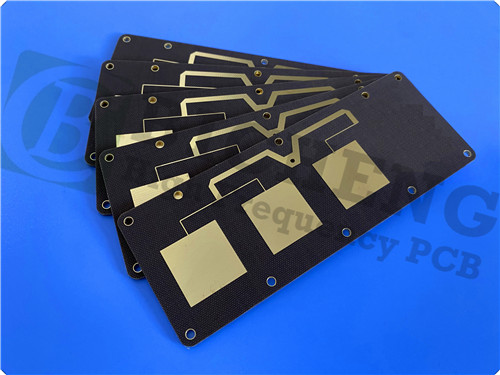
The TLX-8 PCB 30mil is a highly versatile and reliable high volume antenna material designed to offer exceptional performance in a wide range of RF applications.

This PTFE fiberglass laminate material boasts a host of impressive features, including excellent PIM values, outstanding mechanical and thermal properties, low and stable Dk (Dielectric Constant), and dimensional stability. Its resistance to extreme environments, radiation, high temperatures, and moisture absorption make it suitable for demanding applications such as space launch, engine modules, warship antennas, and altimeter substrates.


This blogarticle will delve into the various benefits, properties, construction details, and typical applications of the Taconic TLX-8 PCB, highlighting why it is an excellent choice for radar systems, mobile communications, microwave test equipment, microwave transmission devices, amplifiers, and more.


 Taconic TLX-8 PCB


Benefits

The TLX-8 30mil Taconic PCB Substrate offers a plethora of advantages that make it a suitable choice for demanding RF applications:


1) Excellent PIM Values:

With PIM values measured lower than -160 dBc, it ensures exceptional signal integrity and minimized interference.


2) Superior Mechanical & Thermal Properties:

The material provides robust mechanical reinforcement and exhibits excellent thermal stability, making it suitable for harsh environments.


3) Low and Stable Dk:

The TLX-8 High Frequency PCB maintains a low and stable Dielectric Constant, ensuring predictable electrical performance throughout a wide range of frequencies.


4) Dimensional Stability:

It demonstrates exceptional dimensional stability, preventing warpage and ensuring precise and reliable assembly.


5) Low Moisture Absorption:

Its low moisture absorption properties enhance reliability in humid environments.


6) Tightly Controlled DK:

The material's consistent Dielectric Constant allows for accurate design and predictability in RF applications.


7) UL 94 V0 Rating:

TheTLX-8 PCB has a UL 94 V0 rating, indicating excellent resistance to flame propagation.


Main Properties

The TLX-8 Taconic RF PCB Circuit Board possesses impressive electrical and dimensional properties, making it an ideal choice for a wide range of RF applications. Some key properties include:


Electrical Properties:

Dielectric Constant @ 10 GHz: 2.55±0.04

Dissipation Factor @ 10 GHz: 0.0018

Surface Resistivity Elevated Temp.: 6.605 x 10^8 Mohm

Surface Resistivity Humidity Cond.: 3.550 x 10^6 Mohm

Volume Resistivity Elevated Temp.: 1.110 x 10^10 Mohm/cm

Volume Resistivity Humidity Cond.: 1.046 x 10^10 Mohm/cm


Dimensional Stability:

MD (Machine Direction) After Bake: 0.06 mm/M (mils/in)

CD (Cross-Machine Direction) After Bake: 0.08 mm/M (mils/in)

MD Thermal Stress: 0.09 mm/M (mils/in)

CD Thermal Stress: 0.10 mm/M (mils/in)


Coefficient of Thermal Expansion (CTE, 25-260°C):

X-Axis: 21 ppm/°C


Y-Axis: 23 ppm/°C


Z-Axis: 215 ppm/°C


Td (Temperature at which weight loss occurs):

2% Weight Loss: 535°C

5% Weight Loss: 553°C


Chemical / Physical Properties:

Moisture Absorption: 0.02%

Dielectric Breakdown: > 45 Kv

Flammability Rating: V-0 (UL-94)


PCB Construction

The TLX-8 Taconic PCB Laminates features a 2-layer rigid PCB construction, making it suitable for low layer count microwave designs. The PCB stackup consists of copper_layer_1 (35μm), Taconic TLX-8 Core (0.762 mm or 30mil), and copper_layer_2 (35μm). The finished board thickness is 0.8 mm, and the finished copper weight is 1oz (1.4 mils) on outer layers. With a minimum trace/space of 5/5 mils and a minimum hole size of 0.3mm, it enables precise and intricate circuit designs.


The Taconic TLX-8 PCB is treated with 20μm via plating thickness and features an immersion gold surface finish. The top silkscreen is white, while the bottom silkscreen is not present. With no top or bottom solder mask, this PCB offers flexibility in soldering and assembly processes. Additionally, each board undergoes a 100% electrical test prior to shipment, ensuring superior quality and functionality.


PCB Statistics

TheTLX-8 Taconic RF PCB comes with 26 components, 48 total pads, 25 thru-hole pads, 23 top SMT pads, 0 bottom SMT pads, 32 vias, and 2 nets. This comprehensive range of statistics reflects the versatility and adaptability of this PCB to meet various circuit design requirements.


Availability and Typical Applications

The TLX-8 Taconic High Frequency PCB is available worldwide, making it readily accessible for diverse markets. Its exceptional properties and construction make it an excellent choice for a wide range of RF applications. Some typical applications include:


1) Radar Systems:

The TLX-8 PCB ensures reliable signal transmission and reception, improving the performance of radar systems.


2) Mobile Communications:

With low PIM values and stable electrical properties, this PCB enhances the quality and reliability of mobile communication devices.


3) Microwave Test Equipment:

The TLX-8 enables precise and accurate testing in microwave frequencies, ensuring reliable measurement results.


4) Microwave Transmission Devices:

It supports the efficient transmission of microwave signals, making it ideal for microwave amplifiers, couplers, splitters, and combiners.


5) Antennas:

The TLX-8's resistance to extreme environments, including high vibration and moisture, makes it an excellent choice for antenna applications, such as warship antennas.


Conclusion

In conclusion, the TLX-8 30mil Taconic Substrate PCB stands as a versatile and reliable high-performance antenna material capable of delivering exceptional performance in a wide array of RF applications. Its outstanding electrical and dimensional properties, coupled with its availability and global reach, make it a go-to choice for engineers and designers seeking reliable and high-performance solutions for their RF circuit designs.


What Is the Dielectric Constant and Dissipation Factor of RO4535 PCB?


Introduction

RO4535 High Frequency Laminates, developed by Rogers Corporation, are advanced materials designed to meet the specific demands of antenna markets. These laminates provide exceptional performance, controlled dielectric, low loss characteristics, and excellent passive intermodulation response required for mobile infrastructure microstrip antenna applications. With their compatibility with FR-4 processing and RoHS-compliant flame-retardant technology, RO4535 laminates present an affordable alternative to traditional PTFE-based antenna technologies. This comprehensive blog article delves into the features, benefits, construction details, and typical applications of the RO4535 20mil Rogers PCB , highlighting its potential to optimize the price and performance of antennas.


Features that Set RO4535 PCB Apart


1)Dielectric Constant:

With a DK of 3.44 +/-0.08 at 10GHz/23°C, the RO4535 PCB exhibits excellent signal integrity and stability, ensuring reliable high-frequency performance for antenna applications.


2)Dissipation Factor:

The PCB boasts a low dissipation factor of 0.0037 at 10GHz/23°C, allowing for minimal signal loss and maintaining the integrity of the transmitted and received signals.


3)Thermal Conductivity:

Equipped with a thermal conductivity of 0.6 W/m/°K, theRO4535 PCB effectively dissipates heat generated in high-power applications, promoting reliable performance and extending the lifespan of the antenna.


4)Coefficient of Thermal Expansion (CTE):

The RO4535 PCB features CTE values of 16 ppm/°C (X-axis), 17 ppm/°C (Y-axis), and 50 ppm/°C (Z-axis). These closely matched CTE values minimize stress on the PCB and ensure dimensional stability, even during temperature fluctuations.


5)High-Temperature Glass Transition (Tg):

With a Tg value exceeding 280°C, this PCB offers exceptional thermal stability, making it suitable for demanding antenna applications subjected to elevated temperatures.


6)Low Water Absorption:

The RO4535 PCB boasts a water absorption rate of merely 0.09%, ensuring its performance remains uncompromised even in humid environments.


7)UL-94 V0:

Compliant with UL94 V-0 certification, the PCB guarantees excellent flame retardancy, enhancing safety and reliability.


RO4535 20mil Rogers PCB


Benefits of RO4535 PCB


1)Excellent Passive Intermodulation (PIM) Performance:

When combined with LoPro copper foil, the RO4535 PCB exhibits outstanding passive intermodulation characteristics, minimizing interference and improving the overall performance of the antenna system.


2)Improved Mechanical Rigidity:

Compared to traditional PTFE-based laminates, the RO4535 PCB offers superior mechanical rigidity, enhancing the structural integrity and durability of the antenna.


3)Reduced Stress on PCB Antenna:

The CTE value similar to that of copper reduces the stress on the PCB antenna, leading to improved reliability and longevity of the antenna system.


PCB Construction Details

The Rogers 4535 PCB is a 2-layer rigid PCB with the following specifications:


Board Dimensions: The PCB measures 53mm x 53mm with a tolerance of +/- 0.15mm.

Minimum Trace/Space: The minimum trace width and spacing are both 4 mils, allowing for precise routing and optimized signal integrity.

Minimum Hole Size: The PCB supports hole sizes as small as 0.3mm, enabling the integration of compact components.

Via Configuration: There are no blind vias present, ensuring a simplified PCB manufacturing process.

Finished Board Thickness: The finished board thickness is 0.6mm, striking the right balance between strength and flexibility.

Finished Cu Weight: The outer layers of the PCB have a copper weight of 1oz (1.4 mils), offering excellent conductivity and facilitating efficient signal transmission.

Via Plating Thickness: Each via on the PCB has a plating thickness of 20μm, ensuring reliable electrical connections.

Surface Finish: The PCB is coated with immersion gold, which provides a flat, solderable surface and protects against oxidation.

Silkscreen and Solder Mask: The top silkscreen is white, aiding component placement and identification, while both the top and bottom solder masks are green, providing protection against solder bridges and enhancing overall aesthetics.

Electrical Test: Each PCB undergoes a 100% electrical test prior to shipment, guaranteeing quality and functionality.


PCB Statistics

The RO4535 high frequency circuit board features the following statistics:


Components: The PCB can accommodate up to 11 components, allowing for the integration of various functionalities.

Total Pads: There are a total of 22 pads on the PCB, enabling seamless connectivity between components and the PCB.

Thru Hole Pads: The PCB supports 12 thru-hole pads, facilitating the utilization of both surface-mount and through-hole components.

Top SMT Pads: With 10 top surface mount technology (SMT) pads, the PCB provides ample space for mounting surface-mount components.

Bottom SMT Pads: The PCB does not have any bottom SMT pads.

Vias: It offers 17 vias for establishing electrical connections between different layers, ensuring signal integrity throughout the PCB.

Nets: The PCB consists of 2 nets, enabling effective communication between various components.


Type of Artwork Supplied and Quality Standard

The Rogers RO4535 PCB is designed using Gerber RS-274-X artwork, a widely supported industry standard that ensures compatibility and accuracy during manufacturing. The PCB adheres to IPC-Class-2 quality standards, guaranteeing consistent performance and reliability.


Availability and Typical Applications

The RO4535 30mil Rogers substrate PCB is readily available worldwide, making it accessible for various antenna projects across different regions. Some typical applications that benefit from the superior performance of this PCB include:


1)Cellular Infrastructure Base Station Antennas:

TheRO4535 PCB empowers base station antennas, ensuring reliable, high-quality signal transmission in cellular networks.


2)WiMAX Antenna Networks:

With its exceptional features and benefits, the PCB is well-suited for WiMAX antenna networks, enabling efficient data transmission and reliable connectivity.


Conclusion

With its extensive features, benefits, and impressive performance characteristics, the RO4535 Rogers PCB represents a superior solution for demanding antenna applications. Designed to meet the specific requirements of the market, this PCB offers excellent signal integrity, thermal stability, and mechanical rigidity. Furthermore, its compatibility with FR-4 processing and RoHS-compliant flame-retardant technology makes it an affordable alternative to traditional PTFE-based laminates. Engineers and designers can confidently employ the RO4535 20mil PCB to optimize the price and performance of their antenna systems, enhancing connectivity and improving overall user experience in wireless communication applications.

If you’re into rechargeable batteries, you’ve probably heard of Ni-MH batteries. But do you really understand the benefits of Ni-MH batteries, how they work, and how to maximize their performance? This blog will take you deep into the world of Ni-MH batteries, covering their chemistry, real-world applications.


After reading this blog, you’ll have a clearer understanding of what Ni-MH batteries can do and why they might be the perfect choice for your needs.


What are Ni-MH batteries?


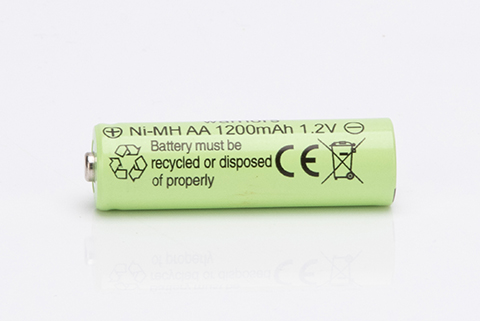
Ni-MH Batteries


Nickel-metal hydride batteries (Ni-MH) are a type of battery that uses nickel and metal hydride as its core chemistry. Unlike single-use alkaline batteries, Ni-MH batteries are rechargeable. This is a big plus—recycling them multiple times is not only cost-effective, but also better for the environment.


What is the voltage of Ni-MH batteries?

Ni-MH batteries are typically rated at 1.2V. You might be thinking, “Isn’t that lower than the 1.5V of traditional alkaline batteries?”


That’s true, but interestingly, despite their slightly lower voltage, Ni-MH batteries offer more consistent performance over time. This stability makes them a reliable power source for many devices.


How Ni-MH Batteries Work?

Ni-MH batteries store and release energy through a chemical reaction between nickel (Ni) and metal hydride (MH). The positive electrode of the battery is made of nickel compounds, while the negative electrode is made of metal hydride materials.


One important advantage: Metal hydrides have a higher energy density than traditional nickel-cadmium (Ni-Cd) batteries. This means that Ni-MH batteries can store more energy after each charge, allowing them to be used for longer. In addition, they do not contain toxic cadmium components, making them a safer and more environmentally friendly choice.


What is the capacity of Ni-MH batteries?

Ni-MH Batteries

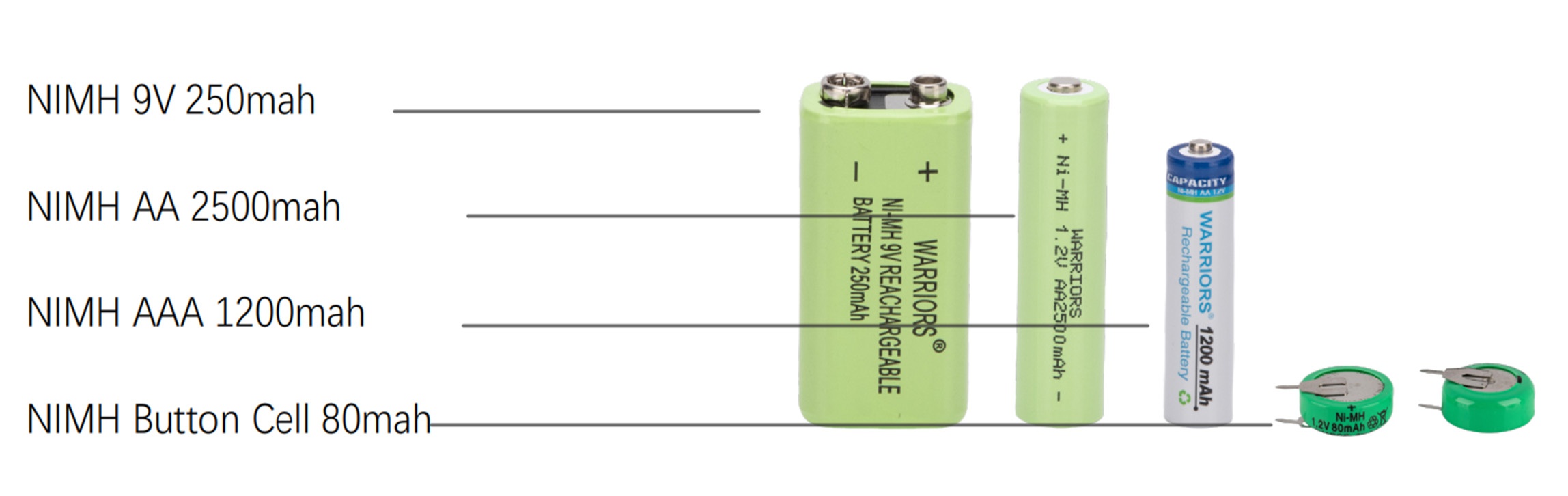
Battery capacity is usually measured in milliampere hours (mAh), which is used to measure its energy storage capacity. Ni-MH batteries generally range in capacity from 600mAh to 2500mAh.


In practical terms, larger batteries can provide longer battery life for devices. However, it is important to note that larger batteries usually take longer to charge. These batteries are ideal for high-energy devices such as digital cameras and power-hungry toys. For low-energy devices such as remote controls or wall clocks, smaller batteries are sufficient.


Why choose Ni-MH batteries?

Ni-MH batteries are not only an efficient rechargeable battery, but also help you reduce your impact on the environment. Although their voltage is not as high as alkaline batteries, their stability and long service life make them an ideal choice in many scenarios.


If you are looking for a reliable power solution that is both environmentally friendly and meets your daily needs, Ni-MH batteries are undoubtedly a good choice to consider!

What are AA alkaline batteries?

AA alkaline batteries are small cylindrical batteries made of alkaline, lithium, and nickel metal hydride. As a widely used battery type, many well-known brands (such as Duracell, Energizer, Toshiba, etc.) produce them. At the same time, many small and medium-sized enterprises and independent brands are also involved in the manufacture of AA batteries. In addition, there are some batteries that are similar in appearance to AA batteries, but the model and capacity may be slightly different.


What are the uses of AA alkaline batteries?

AA alkaline batteries are widely used in various devices due to their small size and stability. The following are common usage scenarios:


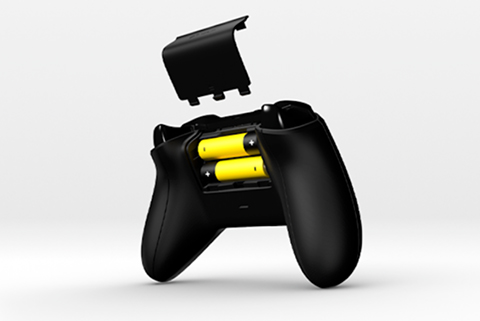
AA Alkaline Batteries


  • Digital thermometers
  • Calculators
  • Laser pens
  • Flashlights
  • Security system panels
  • Electronic toys
  • Smoke alarms
  • Medical equipment and instruments
  • Alarm clocks
  • Mouse and keyboards

AA Alkaline Batteries


How to properly install AA alkaline batteries?

When installing AA alkaline batteries, first determine the location of the positive and negative poles. Generally speaking, the flat end of the battery is the positive pole, and the small round protrusion on the other end is the negative pole. According to the positive and negative pole markings on the device, install the battery correctly. Some devices have small metal tabs that hold the battery in place. Make sure these tabs are intact and aligned. If they become dislocated, they can be carefully adjusted to restore normal function.


Where can I buy AA alkaline batteries?

AA alkaline batteries are so popular that there are many brands and retailers to choose from. However, the quality of batteries varies from brand to brand and retailer to retailer. To avoid buying inferior or counterfeit batteries, it is recommended to buy from reputable brands.


Warriors is a veteran in the battery industry with 16 years of sales experience and offers a wide range of high-quality batteries. If you have any related needs, please visit warriorscell.com and let us be your battery expert!